




Klassement
-
Henk-Anna Loog
Leden52Punten1.872Aantal bijdragen -

martinja
Leden45Punten8.253Aantal bijdragen -
jan227
Leden17Punten667Aantal bijdragen -
Roel Dickse
Leden17Punten6.950Aantal bijdragen



Populaire bijdragen
Inhoud met de hoogste waardering op 05-08-22 in Berichten tonen
-
Hier is nog meer van die ochtend: https://www.mediafire.com/file/tbvg1rv7626s5dj/1967_08_04_Fri_1057-1100_R_London_%28266m%29_-_Paul_Kaye.mp3/file https://www.mediafire.com/file/38thy7qbsm24osy/1967_08_04_Fri_1100-1125_R_London_%28266m%29_-_Paul_Kaye.mp3/file https://www.mediafire.com/file/5w4fs8ft1zm87v1/1967_08_05_Sat_1016-1100_R_London_%28266m%29_-_Paul_Kaye_%28some_edits%2C_29_mins%29.mp3/file https://www.mediafire.com/file/49nrczstezmuc80/1967+08+04+02+radio+london+09.07-10.07++266+paul+kaye.mp3/file groet, Jan9 punten
-
Paul Kaye 5 augustus 1967 's-ochtends. Twee files, een ervan heb ik gisteren ook al gepost, alleen een erg doffe, zachte versie. Ik heb hem vervangen door een iets opgekrikte versie. https://www.mediafire.com/file/o7tscfu9x6uou2p/London+05-08-1967+Paul+Kayne+0938-1024.mp3/file https://www.mediafire.com/file/5w4fs8ft1zm87v1/1967+08+05+Sat+1016-1100+R+London+(266m)+-+Paul+Kaye+(some+edits,+29+mins).mp3/file Groet, Jan8 punten
-
8 puntenOm te beginnen weer veel dank voor het plaatsen van al dit moois, Martin. Ik denk dat het uur van Tom Collins (24-9-73 van 800 tot 900 uur) verkeerd gedateerd is. Ik heb die hele ochtend van 24 september in mijn bezit (met dank aan de toenmalige uploaders) en dat is een ander programma. Maribaja van The Cats was toen Alarmschijf. Ik denk dat jouw uurtje van 24 JULI 1973 is, omdat Tom zegt dat Born To Be Wild 'afgelopen zaterdag nog net niet genoeg is gestegen om binnen te komen in de Top 40'. Dat gebeurde inderdaad pas op 28 juli 1973. Hieronder de uurtjes van 24 SEPTEMBER, van 6 tot half 12, met Bart, Tom, Hans, Tineke en weer Hans, die van 11 tot 12 Stan verving. Veel plezier, voor wie ze nog niet had, en zoals gezegd dank aan degene die ze een aantal jaren geleden beschikbaar stelde. https://pixeldrain.com/l/EPHfWEj5 Groet, Edwin8 punten
-
Radio Atlantis maakte een goede start op 15 Juli 1973 dankzij de krachtige zender aan boord van de Mi Amigo. Bij deze deel ik met jullie de Top 40 van 5 Augustus 1973. Een opname, helaas, in 2 delen. Als eerste Luk van Kapellen van 14:06 uur tot 15:00 uur met de nummers 39 tot 18.. en, Luk maakt een verspreking aan het begin, hij heeft het over Zondag 6 Augustus, maar het is toch echt 5 Augustus. Helaas zit er vanaf ongeveer 14:31 uur een hinderlijke fluittoon in dit deel, het 2e deel is Tony Houston van 16:00 tot 17:00 uur en de nummers 10 tot 1 en wat tips. Luk van Kapellen https://pixeldrain.com/u/jX4o6A73 Tony Houston https://pixeldrain.com/u/maxQmYFT Have fun.. Henk Kruize8 punten
-
Op Zaterdag 5 Augustus begon de laatste dag van Radio 355... Radio 227 was een weekje daarvoor al uit de lucht en met de closedown van Radio 355 waren de dagen als zendschip voor de "Laissez Faire" geteld. Het laatste uur van Radio 355 liep nog een beetje door na middernacht dus eigenlijk is de closedown datum 6 Augustus. Bij deze, omdat het vandaag 55 jaar geleden is, het laatste uur van Radio 355 uitgezonden op 5 Augustus van 23:04 uur tot 00:20 uur https://pixeldrain.com/u/q4svZjtv Groet Henk Kruize8 punten
-
8 puntenAlvast klaargezet om door te gaan met delen een aantal nieuwe Top 40 Hitdossiers: 18 Augustus 2015: https://pixeldrain.com/u/WZVRfobi 19 Augustus 2015: https://pixeldrain.com/u/4VTM9zLn 20 Augustus 2015: https://pixeldrain.com/u/cGMbEq4C 21 Augustus 2015: https://pixeldrain.com/u/ssuVHtRZ8 punten
-
8 puntenDit is het bijna. Hierna komt er nog 1 posting van Radio 390 en dat is dan alles wat ik heb. Laat eventueel maar weten welk ander station je nog meer wil hebben (ik heb aardig wat in het archief zitten). Zal ik kijken of het erbij zit. https://pixeldrain.com/u/Es7TUS1K Radio390-19670727-2245-2300-GrahamGill-Farewell.mp3 https://pixeldrain.com/u/4oSSGCUi Radio390-19670727-2300-2342-DavidSinclair-Serenade.mp3 https://pixeldrain.com/u/tL83SXQK Radio390-19670728-1045-1143-GrahamGill.mp3 https://pixeldrain.com/u/2fPL72EA Radio390-19670728-1530-1600-LeeGilbert-Intermezzo.mp3 https://pixeldrain.com/u/HnL2YQip Radio390-19670728-1530-1617-LeeGilbertEdwarCole.mp3 https://pixeldrain.com/u/HgJ482hF Radio390-19670728-1530-1708-LGilbert-ECole-GGill-LastBroadcasting.mp3 https://pixeldrain.com/u/4orctBVv Radio390-19670728-1600-1618-EdwardCole-MemoryLane.mp3 https://pixeldrain.com/u/T7CwyZo8 Radio390-19670728-1638-1700-GrahamGill-TeaTimeTunes.mp3 https://pixeldrain.com/u/y6iwFBLu Radio390-19670728-1638-1708-Closingdown.mp3 https://pixeldrain.com/u/p6R1CHjW Radio390-19670728-1700-1708-GrahamGill-News,ChristopherClark-OnTheScene,FinalClosedown.mp3 https://pixeldrain.com/u/PT5ytGfd Radio390-19670728-EdwardColefinalminutes.mp38 punten
-
7 puntenVeronica-19740630-1900-2100-LexHarding-FransVanDerBeek-BeatlesStory-ABTT https://pixeldrain.com/u/v3hfMxEE7 punten
-
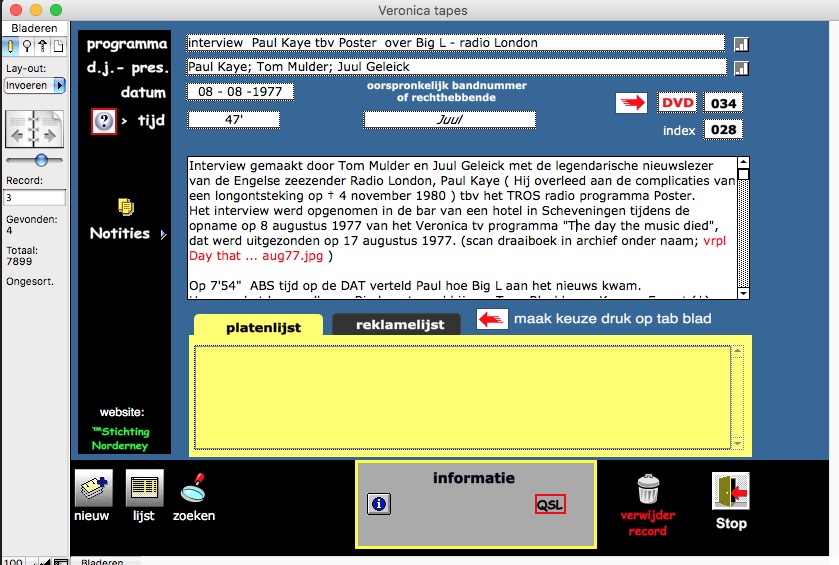
Dank Henk. Ik prijs mij gelukkig dat ik destijds vaste luisteraar was. Caroline vond ik "te Engels".........Smaak hé. In 1977 maakte ik met Tom Mulder een interview met Paul Kaye in Scheveningen. Het was bestemd voor ons programma Poster. Delen van dat interview hebben we toen gebruikt. Maar het hele interview is nooit uitgezonden ! Het duurt 46'. De stem van Tom heb ik destijds op de achtergrond gehouden omdat we zijn vragen niet gebruikten. Dat deden we in de latere montage. Nu heb ik het interview wel even met de compressor bewerkt zodat Tom z'n vragen wel redelijk te horen zijn. De link zit in de tekst. ================ Interview gemaakt door Tom Mulder en Juul Geleick met de legendarische nieuwslezer van de Engelse zeezender Radio London, Paul Kaye ( Hij overleed aan de complicaties van een longontsteking op † 4 november 1980 ) tbv het TROS radio programma Poster. Het interview werd opgenomen in de bar van een hotel in Scheveningen tijdens de opname op 8 augustus 1977 van het Veronica tv programma "The day the music died", dat werd uitgezonden op 17 augustus 1977. (scan draaiboek in archief onder naam; vrpl Day that ... aug77.jpg ) Op 7'54" ABS tijd op de DAT verteld Paul hoe Big L aan het nieuws kwam. Hoe was het leven a/b van Big l; wat vond hij van Tony Blackburn; Kenney Everet (†) enz. Het is in z'n geheel nooit uitgezonden. https://pixeldrain.com/u/vsee4U5v De oorspronkelijke rechten liggen bij de TROS. biografie Paul Kaye: Paul Kaye (sometimes spelt Kay) The first voice to be heard on Radio London, Paul was born in Barnstaple, Devon, on 17th February 1934. After leaving school he worked in repertory theatre and in 1952 became stage manager to a theatre company in Nairobi. He volunteered for the Kenyan police and saw active service during the Mau Mau emergency. He began working on the country's radio network and later broadcast in both Cyprus and Canada. When Radio London launched at the end of 1964 it was the first UK pirate station to operate a news service and Paul was the news chief. His bulletins were on the half-hour, which conveniently gave him just enough time to re-write the BBC news which was broadcast on the hour. Although the news was obtained from the BBC, it was presented in a very different manner. Introduced by jingles and with each story interspersed with Morse code (the beeps spelling out B-I-G L, the station's nickname) Radio London's bulletins were nothing if not dramatic. But they were also authoritative, largely because of Paul Kaye's presentation skills. Normally the Radio London news service only consisted of these hourly bulletins but in January 1967 Paul travelled to Paris to report on Prime Minister Harold Wilson’s unsuccessful negotiations to take Britain into the EC (or Common Market as it was then known). Paul also presented programmes, especially in the early months of the station, and his theme was Town Talk by Ken Woodman and his Piccadilly Brass, a tune later used on the BBC by Jimmy Young. In August 1967 the Marine Offences Act became law and the first voice on Radio London became the last as Paul closed the station down. He was later on Radio Luxembourg, Yorkshire TV and he presented a jazz programme on Radio Hallam, Radio Tees and Pennine Radio. He died on 4th November 1980.
 7 punten
 -
6 puntenTROS-H3-19760306-1400-1600-Tipparade(Hugo van Gelderen) https://pixeldrain.com/u/WYEyEZ8z TROS-H3-19760306-1600-1800-Top 40 (Ferry Maat) https://pixeldrain.com/u/wrudR2Xk6 punten
-
Hier de uitzending van het Steenen Tijdperk van zondag 12 januari 2003 met muziek uit 1971 https://www.mediafire.com/file/d85cahpzfvv7fuw/030112+Steenen+Tijdperk+archiefuitzending+1971.zip/file6 punten
-
Dit zijn de programma's, die je kunt vinden via de link eronder: Radio 192 03-08-2002 12:04-13:00 Marc van Amstel Radio 192 03-08-2002 13:00-14:00 Marc van Amstel Radio 192 03-08-2002 14:00-15:00 Peter Teekamp Top 40 05-08-1972 Radio 192 03-08-2002 15:00-16:00 Peter Teekamp Top 40 05-08-1972 Radio 192 03-08-2002 16:00-17:00 Rob van Wezel Tipparade 05-08-1972 Radio 192 03-08-2002 17:00-18:00 Ron Bisschop Radio 192 03-08-2002 18:00-18:26 Ron Bisschop Radio 192, 3 Augustus 2002 - De Top 40 en de Tipparade, Marc en Ron De Top 40 kun je hier meelezen : https://www.top40.nl/pdf/1972/top40-19720805.pdf Het gedrukte exemplaar van de Tipparade is deze : https://www.top40.nl/pdf/1972/tipparade-19720805.pdf6 punten
-
2 x Nostalgie ervaar ik want ik zie FRM in deze post FRM Free Radio Magazine FMR Foute Muziek Radio Retro Top 40 ik heb het ook opgenomen De Nederlandse Top 40 en de Veronica Top 40 genoemd in dit programma en de jingles. Het was weet genieten met Ferry Eden Wat worden we verwend door de vriendelijke Ferry want ook op Mi-Amigo.Es te horen Zijn boek van Mi-Amigo tijdens mijn moeilijke dagen in de ziekenhuizen uitgelezen Ook al volop genieten toen, een lichtje in de donkere dagen op de ziekenkamer De vorige keren bv de Monique Top herleefde ik helemaal! Ik zou zeggen mijn dank is groot Ferry En daar het boek is uitgelezen, tijd om eens de papieren FRM's in de handen te nemen Niet digitaal in Pdf maar echt ritselend papier te voelen of ben ik te oud geworden in het digitale tijdperk? Hoe dan ook papier of via Pdf het blijft Nostalgie oproepen Geen internet toen in huis jaren 80 90..... Maar het was telkens blijheid als het magazine van José Herps en haar man in de bus viel Ik vraag me af hoe het is met hen of de ouderdom in 2022 Nog meer blijheid was er toen andere bladen in de bus vielen Nu nog alleen de volhouder in het Engels of Frans het magazine van OEF Voor mij de Engelstalige versie in de bus nog altijd (ben ik ook een volhouder) Gelukkig is er nog digitaal RadioVisie in het Nederlands , bijna dagelijks in mijn bus, en gratis Ook JL.Bostyn is een echte volhouder ! Aan iedereen hier een stevigen poot en een vriendschappelijke radio groet Jean-Pierre5 punten
-
5 puntenCaroline-19790603-1405-1500-PaulDeWit-ReneVanElst-Zondagmiddagmatinee https://pixeldrain.com/u/2Sv86rdk5 punten
-
4 puntenSlecht nieuws. Ik heb het hele hebben en houwen uitgekamd, maar geen spoor van aflevering 24 (17 maart 2002, met muziek uit 1964). Ook aflevering 26 (31 maart 2002, met muziek uit 1966) lijkt onvindbaar te zijn. Wat het nog gekker maakt is dat van uitgerekend deze twee uitzendingen géén playlist beschikbaar lijkt te zijn. Gezien de doorlopende behandelde jaren lijkt het me dat ze wel zijn geproduceerd, maar het is toch vreemd. Noodgedwongen gaan we dus voor nu door naar aflevering 25, maar dat mag de pret absoluut niet drukken. Uitgezonden op 24 maart 2002 bevatte deze uitzending muziek uit 1965. https://www.mediafire.com/file/4h0sjn33izn5pwz/20020324_0600-0700_-_AVRO_R1_-_Jeffrey_Willems_-_60%27s_Steenen_Tijdperk_-_E25_%281965%29.zip/file Playlist: En ik vind het tijd om weer eens te zeggen: nog 17 te gaan.4 punten
-
4 puntenKeizerstadFM-19880709-2230-2315-Onbekend https://pixeldrain.com/u/7oUQ3WRq KeizerstadFM-19880918-1000-1045-Onbekend https://pixeldrain.com/u/uDc6NiQ54 punten
-
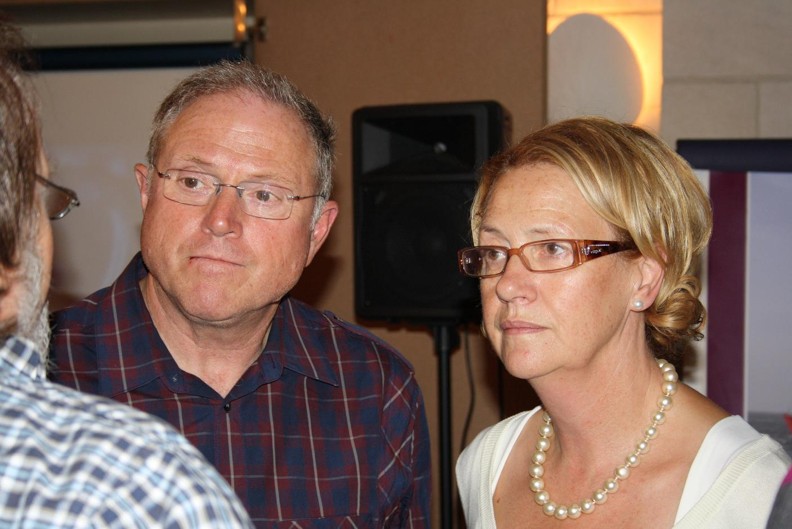
4 punten4 puntenAflevering 23, 10 maart 2002, muziek uit 1963. https://www.mediafire.com/file/lhpwye88m0oe0jt/20020310_0600-0700_-_AVRO_R1_-_Jeffrey_Willems_-_60%27s_Steenen_Tijdperk_-_E23_%281963%29.zip/file Playlist:4 punten5 Augustus 1967 was de laatste dag voor Radio 355... eigenlijk 6 Augustus omdat men een paar minuten na middernacht pas uit de lucht ging. Vandaag, 55 jaar geleden, begon Radio 355 aan hun een-na-laatste dag. Een opname van de Breakfast show, in 2 delen, met Martin Kayne op 4 Augustus 1967 deel-1 06:30-07:00 uur https://pixeldrain.com/u/rSMy9aVV deel-2 07:40-08:10 uur https://pixeldrain.com/u/NWbBjTqJ Henk Kruize4 puntenDit zijn de programma's, die je kunt vinden via de link eronder: Radio 192 04-08-2002 10:00-11:00 - Flashback Koffietijd Tineke 06-09-1966 10:00-11:00 Radio 192 04-08-2002 11:00-12:00 - Flashback JMHW Jan van Veen 01-11-1968 19:00-20:00 Radio 192, Flashbacks van 4 Augustus 2002 Met betrekking tot de twee Flashback programma's voeg ik de volgende informatie toe (met dank aan Juul Geleick): COPYRIGHT TEKST & FOTO'S: JUUL GELEICK - 290702 Iedere week zendt Radio 192 twee historische radio programma's uit van de zeezender Radio Veronica in het programma Flashback. Oud Radio Veronica technicus Juul Geleick doet de redactie, bewerking en montage van dit programma. Juul beschrijft wekelijks voor Media Pages de inhoud van Flashback. De onderstaande aflevering wordt uitgezonden op zondag 4 augustus tussen 10:00 en 12:00 uur op Radio 192. Koffietijd met Tineke Oorspronkelijke uitzenddatum: 6-9-1966 van 10:00 tot 11:00 uur Techniek: onbekend Een echte onvervalste Koffietijd deze ochtend. Tineke (foto) draait een aantal platen die je tegenwoordig nooit meer hoort op de radio, maar ja, toen was het vergeleken bij wat de Hilversumse zenders, 1 en 2, boden zeer modern. Wat te denken van het kinderkoor de Schellebellen onder leiding van Paula van Alphen en Yvonne de Nijs! Ook een paar obscure, Nederlandse?, bandjes horen we ook nog. Want wie weet er nu nog iets van the Scams en Le Cruxes? Verder platen van Boudewijn de Groot, Petula Clark, The Hunters en The Beatles. Joost Mag Het Weten met Jan van Veen Oorspronkelijke uitzenddatum: 1-11-1968 van 19:00 tot 20:00 uur Techniek: Jos Hogen Het is vrijdagavond en dat betekende in JMHW altijd brandnieuwe platen. Die nieuwe platen kwamen altijd op donderdag binnen uit Engeland en Amerika en het programma werd altijd op donderdag avond opgenomen. De volgende ochtend werd de band dan naar het schip gebracht. Dus actueler kon bijna niet. En da's te horen. Vanavond "doet" Jan van Veen (foto) het programma, Joost is er niet, hij verliet omstreeks die tijd Veronica. Hij was al freelance en er was een probleem met de plaat van de Praatpalen getiteld "Ome Sjakie". Maar er was nog wel een bandje waarop Joost de vaste vervanger Jan aankondigt. Juul heeft destijds van de master band een half spoor kopietje op lage snelheid gemaakt. Vandaar dat de kwaliteit soms wat minder is. Maar de mooie platen zijn er niet minder om!!! Genieten dus. Tommy James; Gloria; The Kinks; The Bandwagon; The Golden Earring, Barry Ryan en die prachtige plaat van Jimi Hendrix: All along the watchtower.4 puntenhit radio veronica op tv - met jeroen van inkel (ochtendprogramma) & edwin diergaarde (goud van oud), 15. september 19953 punten3 puntenVOO-H1-19760105-2255-2355-HenkTerlingen-VeronicaOp1 https://pixeldrain.com/u/12T2fGbe3 puntenAdriaan en Jeanine zijn nog altijd samen.
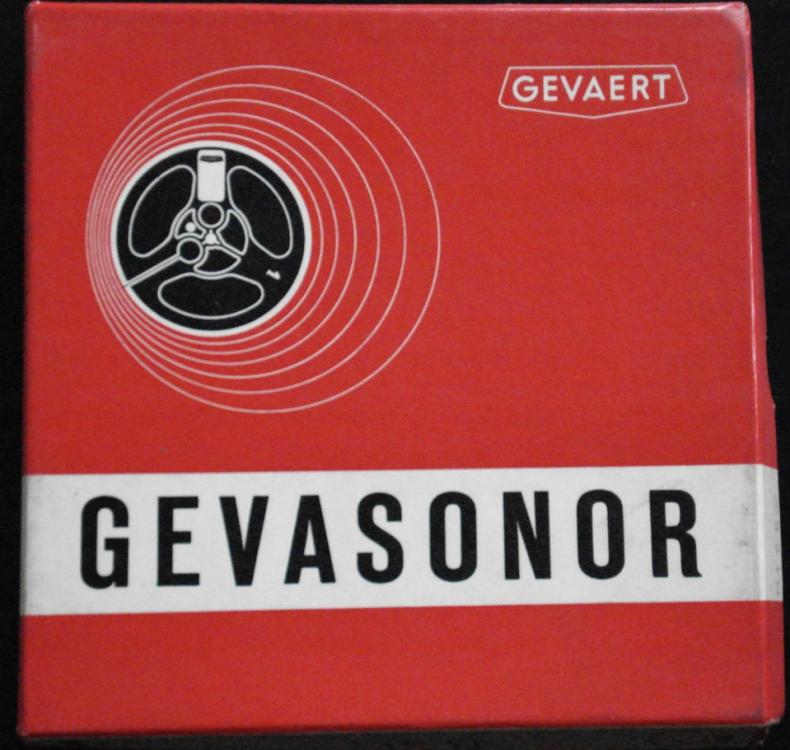
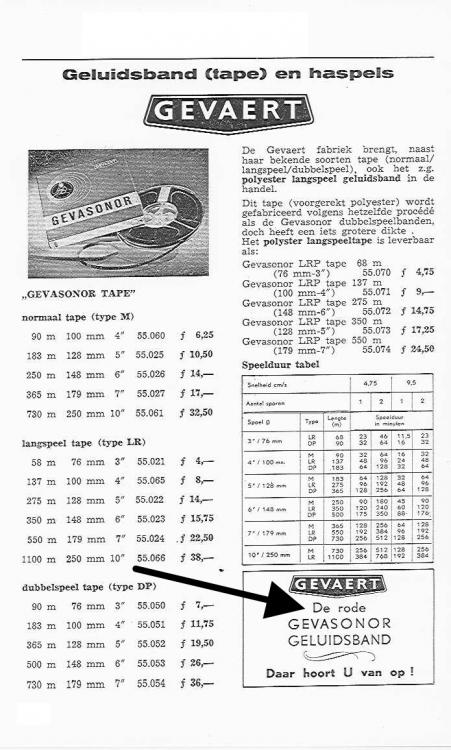
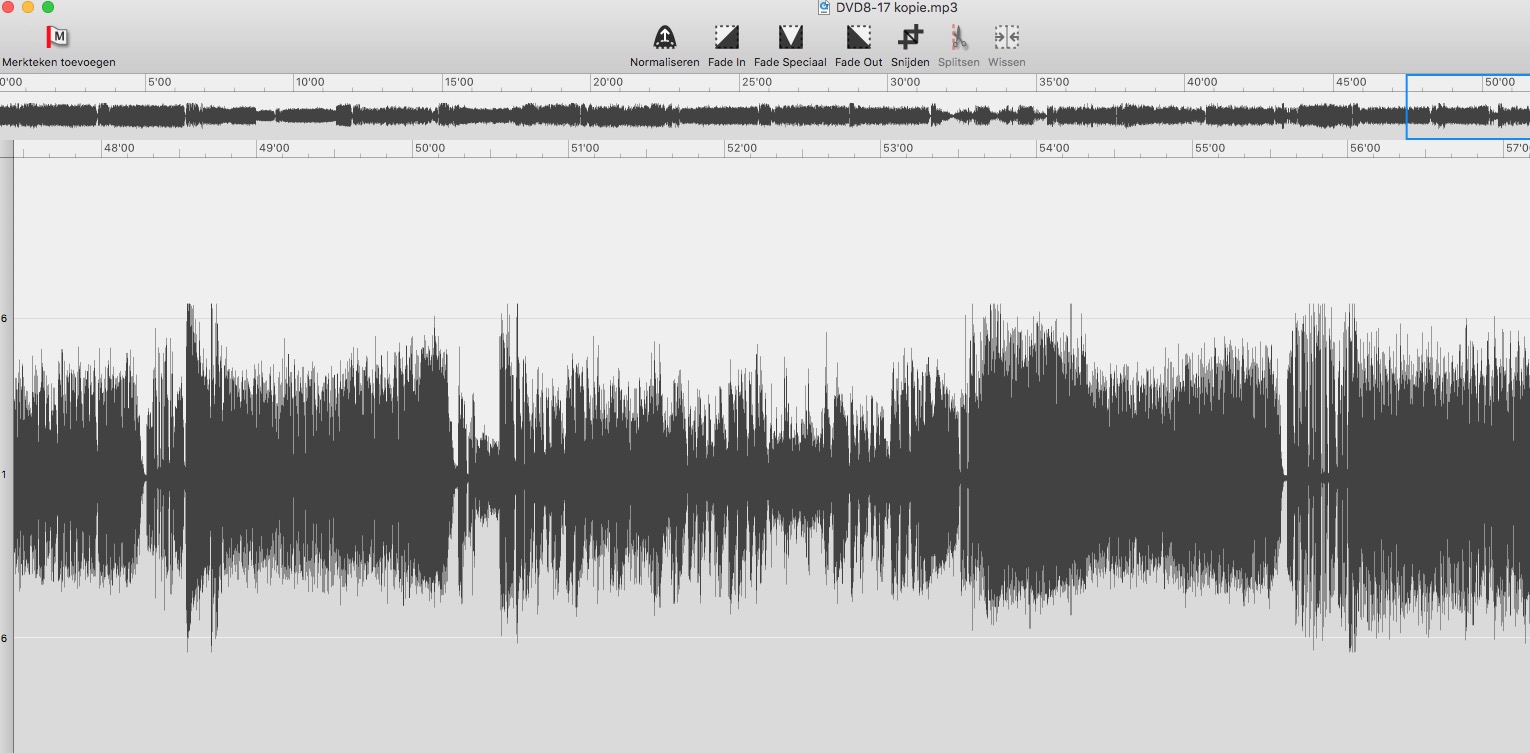
 3 puntenAftellen voor Radio London, na vandaag, 55 jaar geleden, hadden ze nog 10 dagen voor de boeg en toen was het over. Een leuke opname van Paul Kaye in de ochtend op 4 Augustus 1967 van 09:38 uur tot 10:32 uur, veel leuke hits uit de Fabulous Fourty en, wel leuk om op te merken, na bijna elke plaat een tijdmelding van Paul. https://pixeldrain.com/u/eXT4gvkD En mocht je de een na laatste fab fourty nog willen inzien? Ga dan naar deze link... Radio London - Field's Fab Forty - 30th July 1967 Groet Henk Kruize3 punten3 puntenMet bijzonder veel dank aan de Stichting Norderney en Radio 192 Radio Veronica 1962.05.13 61 minuten Uit de Koers - Tony Vos Tineke & Joost den Draaijer https://pixeldrain.com/u/W3ienzTQ3 punten3 puntenAVRO-H3-19760503-1600-1700-CeesVanZijtveld-Hitmeesters https://www.mediafire.com/file/c8icuiejj8hbzhp/ groet, Hans3 punten3 puntenCaroline-19790827-1200-1300-RobHudson-Baken16 https://pixeldrain.com/u/2jyFWso23 puntenVan de uitzending van het Steenen Tijdperk van zondag 5 januari 2003 heb ik helaas alleen het 1e uur met muziek uit 1970 https://www.mediafire.com/file/q0i96mkdr9mfc2o/030105+Steenen+Tijdperk+archiefuitzending+1970+uur+1.zip/file2 puntenBedankt voor dit draadje, Jac! Wat mij betreft gelukkig nieuwjaar en tot in 2003 Dit is het enige juiste antwoord. Later/vaker proberen biedt uitkomst. Ik heb zelf een downloadmanager en daar heb ik nooit problemen mee. Wellicht ook een tip. ^^2 puntenPersoonlijk ben ik nooit zo'n fan geweest van Hilversum 1 maar voor Herman Stok maakte ik altijd een uitzondering, ik durf met recht te zeggen dat Herman de mooiste stem had van al het krapuul dat ooit Hilversum 1 bevolkte. Herman had Tijd Voor Teenagers (TVT) van Dick Duster overgenomen en de opname die ik wil delen is de Top 20 van het jaar 1967 die Herman uitzond op 30 December 1967 van 12:15 tot 13:00 uur. Veel muziek uit "The summer of love"..... was ik 12 jaar.... Henk Kruize https://pixeldrain.com/u/kEMnK5XK2 punten2 puntenMaar slechter als de file die Martin aanbood kan het niet. (Kan Martin niks aan doen denk ik ). Ik begrijp ook nog steeds niet waarom mensen van een mono opname een stereo file maken. De kans op "looptijd" verschillen is groot. De file van Martin is ook zo plat als een "dubbeltje". Mijn master is wel beter. Mono maar ook zoals ie is. Opgenomen in de oude studio zonder compressie etc. Hadden we toen nog niet. En toen ik de tape digitaliseerde heb ik er uiteraard niks aan gedaan. (kijk naar afbeelding). Trouwens de opname duurt 59'58" dus daar is niks mis mee. We hadden nog geen nieuws dus de tijd is OK. Maar hier is de master voor deze keer gewoon mono ! https://pixeldrain.com/u/ZiRp18WZ De master komt van zo'n "rode" tape. Met een beetje snel doorspoelen braken ze zo af. Vooral op een Telefunken M15.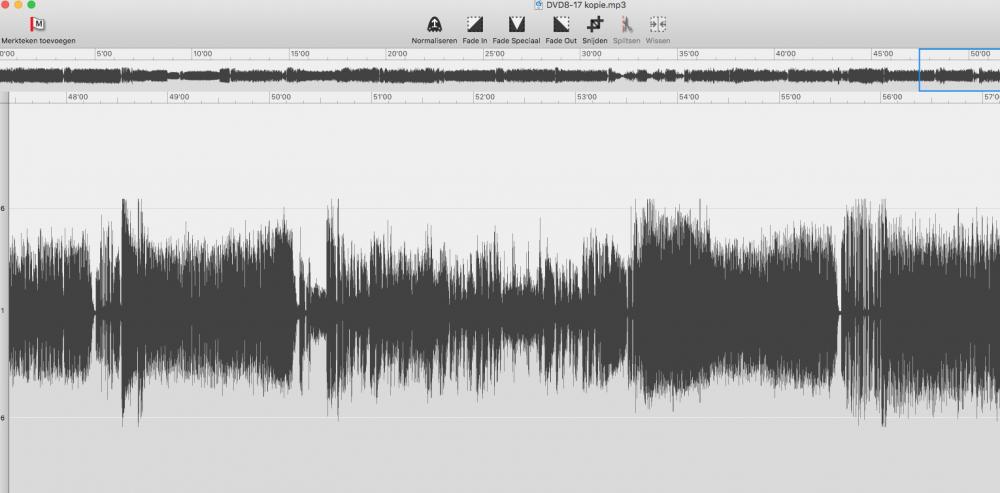
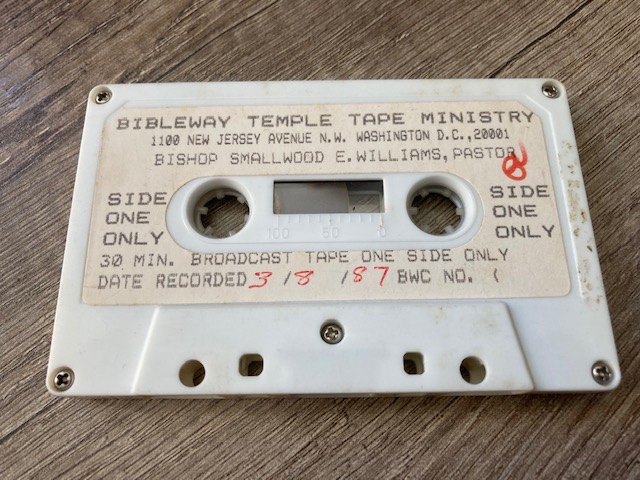
 2 punten2 puntenMartinja, MiAmigo-19770719-0700-0900-Hugo Meulenhof- Ook goeiemorgen https://pixeldrain.com/u/YKzcU4gz Hij is en blijft mooi....😁 Groet, HA2 puntenOktober 1966, het zat er bijna op voor Swinging Radio England, 4 November 1966 ging de stekker er uit. Gary Stevens, een DJ van het Amerikaanse WMCA, maakte ook pre-recorded shows voor SRE en ook voor Radio City. Heerlijk, de sound van Amerikaanse radio in de jaren 60, snel, veel echo en heel veel hits... Dit is een van de laatste, want SRE had nog maar 3 weekjes te gaan.... https://pixeldrain.com/u/faj99xCK Met dank aan Harm Koenders Het zendschip, de "Laissez Faire" heeft na de closedown van Radio 355 en Radio 227 nog jaren gevaren als "Earl J. Conrad" en is in 2013 uit de vaart genomen https://www.vesselfinder.com/vessels/EARL-J.CONRAD-JR.-IMO-6501393-MMSI-0 Groet Henk Kruize2 punten2 puntenMet dank aan Stichting Norderney en Radio 192 Radio Veronica 1964.04.00 10.00-1100 Koffietijd - Tineke https://pixeldrain.com/u/2S5NxWrv Radio Veronica 1965.06.13 1430-1530 Men vraagt en wij draaien - Frans Nienhuys https://pixeldrain.com/u/CVjdg872 Radio Veronica 1965.10.15 1330-1400 Muziek bij de lunch - Jan van Veen https://pixeldrain.com/u/2yTqXBCF Veronica-19740721-1700-1800-RiaValk-VaderAbrahamShow https://pixeldrain.com/u/cKo9zExP2 punten2 puntenMiAmigo-19761031-1300-1600-FrankVanDerMast-NederlandseTop40 https://pixeldrain.com/u/8c4mvVTk MiAmigo-19770719-0700-0900-Hugo Meulenhof- Ook goeiemorgen https://pixeldrain.com/u/YKzcU4gz MiAmigo-19790814-1200-1300-FerryEden-LunchOpZee https://pixeldrain.com/u/5iKi88mi2 punten2 puntenVoor de liefhebbers foto van de originele cassette zoals dit programma werd uitgezonden vandaag in 1987.
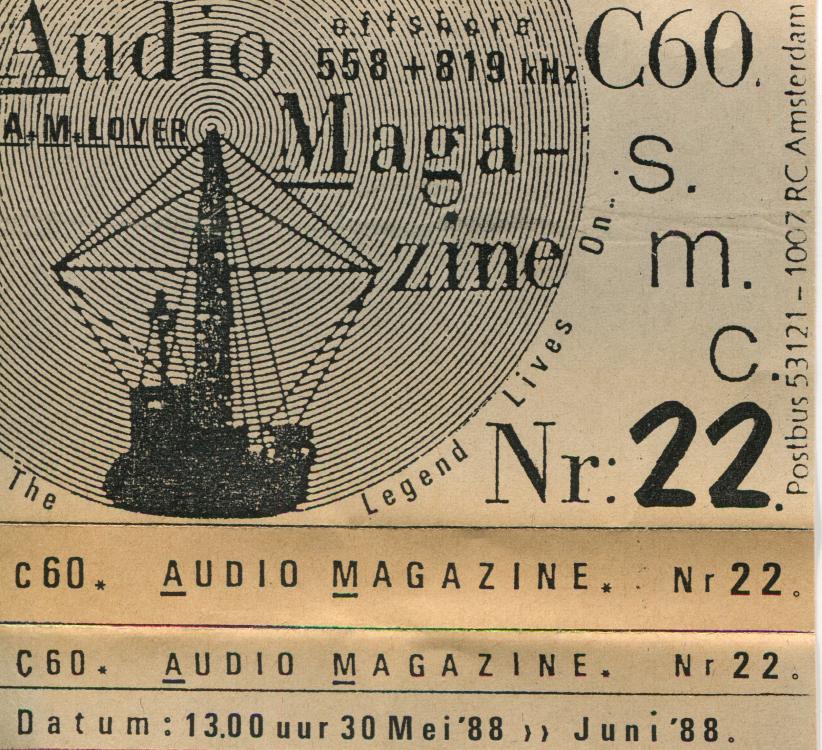
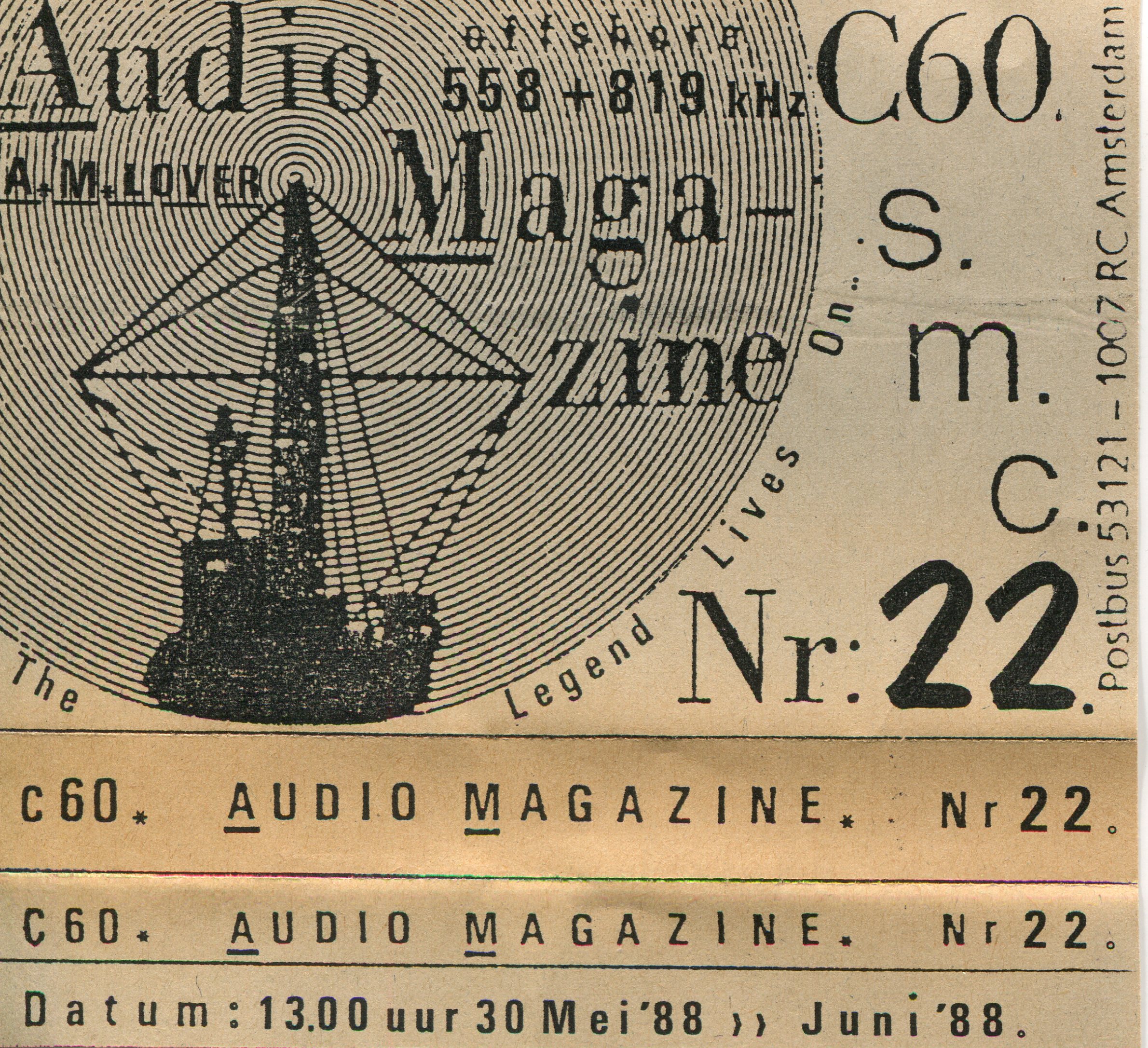
 2 puntenHier de uitzending van zondag 22 december 2002. Het is een speciale Kerstuitzending. Wie al deze shows heeft gedownload heeft nu alle uitzendingen van 2002 van het Steenen Tijdperk op zondagmiddag binnen. In een nieuw draadje ga ik vanaf morgen, de afleveringen van 2003 (voor zover ik ze heb) ter beschikking stellen. https://www.mediafire.com/file/9nyq2mry6mr12ix/021222+Steenen+Tijdperk+Archiefuitzending+Kerstspecial.zip/file2 punten2 punten*) aanvulling: Monique-19870802-1400-1500-DickVerheul-Hitmuseum-(1458-NewsByLucDardin) https://www.mediafire.com/file/klj30n9homs5267/ groet, Hans2 punten2 puntenMiAmigo-19740901-0658-0754-BertBennett-WelkomInDeWereldDerWakkeren https://pixeldrain.com/u/UiPGLyiX MiAmigo-19740901-0700-0900-BertBennett-MikeMoorkens https://pixeldrain.com/u/3uth8spQ MiAmigo-19740901-0800-0900-MikeMoorkens https://pixeldrain.com/u/K5xJHQai2 punten2 punten1961-voorjaar Dag In Dag Uit - Tineke of Ernie Keulers https://pixeldrain.com/u/6YoKTXpr2 punten2 puntenBeste Roel, These both come from Sunday 8th November. Satellietschijf is Never can say Goodbye by Communards. At the beginning of the second one Dick Verheul says that it is deel 2 of Zondagmiddag Live. In addition, Freewave magazine No.150 says that Jan Veldkamp presents the Monique Top 50 on 1st August 1987. Mvg, John C2 punten2 puntenSMC-AudioMagazine-22 Ook de inhoud van deze aflevering is terug te vinden op Radiopedia.
 2 puntenI was using the spelling from the ship.😃1 punt*) aanvulling: Caroline-19870725-1405-1452-JamieKing-(558kHz) Caroline-19870725-1452-1502-JamieKing-(558kHz) Caroline-19870725-1502-1531-JamieKing-(558kHz) Caroline-19870725-1556-1600-JamieKing-(558kHz) Caroline-19870725-1600-1700-JamieKing-(558kHz) Caroline-19870725-1700-1732-JohnTyler-(1700-NewsByTonyPeters)-(558kHz) https://www.mediafire.com/file/1bvp6qzgstel70b/ groet, Hans1 puntAn edited recording of CSJ from 0215-0300 with closedown announcement. https://pixeldrain.com/u/kNXkbWVr1 puntEn nog een leuke van de Atlantis International service.... Dave Owen, die later naar Caroline ging, met zijn ochtend programma "Snap, Crackle and pop" uitgezonden op 23 Augustus 1974 van 0500 tot 0558 uur... Geniet van de leukste Internationale service die 1974 te bieden had... Groet Henk Kruize https://pixeldrain.com/u/M9yT7RUi1 puntAt you're service! https://www.mediafire.com/file/4zwa0a6qtr08fe2/Top+100+per+jaar+tros-2.zip/file1 puntDit klassement is ingesteld op Amsterdam/GMT+02:00














Belangrijke informatie
Door gebruik te maken van deze website ga je akkoord met Gebruiksvoorwaarden, Privacybeleid en Richtlijnen.
Account
Navigation
Zoeken
Browser pushmeldingen configureren
Chrome (Android)
- Tap the lock icon next to the address bar.
- Tap Permissions → Notifications.
- Adjust your preference.
Chrome (Desktop)
- Click the padlock icon in the address bar.
- Select Site settings.
- Find Notifications and adjust your preference.
Safari (iOS 16.4+)
- Ensure the site is installed via Add to Home Screen.
- Open Settings App → Notifications.
- Find your app name and adjust your preference.
Safari (macOS)
- Go to Safari → Preferences.
- Click the Websites tab.
- Select Notifications in the sidebar.
- Find this website and adjust your preference.
Edge (Android)
- Tap the lock icon next to the address bar.
- Tap Permissions.
- Find Notifications and adjust your preference.
Edge (Desktop)
- Click the padlock icon in the address bar.
- Click Permissions for this site.
- Find Notifications and adjust your preference.
Firefox (Android)
- Go to Settings → Site permissions.
- Tap Notifications.
- Find this site in the list and adjust your preference.
Firefox (Desktop)
- Open Firefox Settings.
- Search for Notifications.
- Find this site in the list and adjust your preference.