




Klassement
-
Ben
Leden97Punten4.225Aantal bijdragen -

martinja
Leden39Punten8.253Aantal bijdragen -
Eric
Leden29Punten963Aantal bijdragen -
Roel Dickse
Leden28Punten6.874Aantal bijdragen




Populaire bijdragen
Inhoud met de hoogste waardering op 05-04-22 in Berichten tonen
-
Dit is een boordopname (meeloopband) van een cassette van Alex uit Alkmaar. Radio Monique 30-06-1987 16:00-17:00 Ad Roberts Windkracht 4-614 punten
-
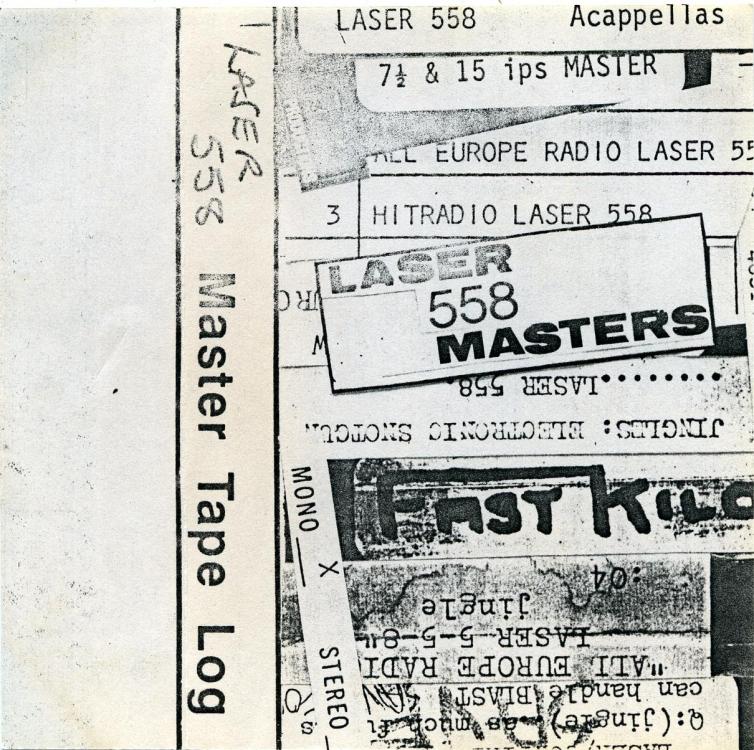
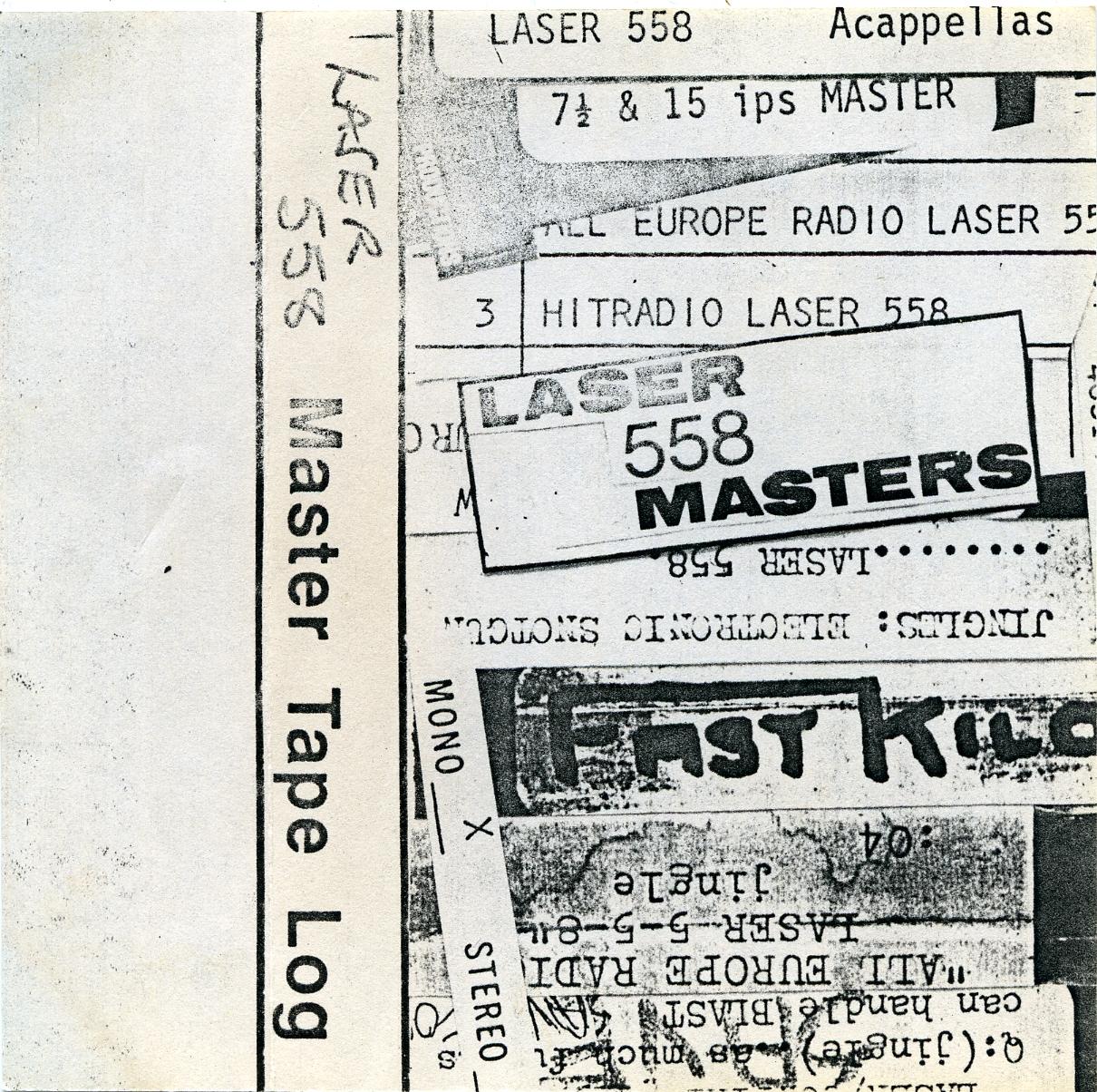
13 puntenDit zijn de programma's, die je kunt vinden via de link eronder: Radio 192 03-11-2001 14:00-15:00 Peter Teekamp Top 40 06-11-1971 Radio 192 03-11-2001 15:00-16:00 Peter Teekamp Top 40 06-11-1971 Radio 192 03-11-2001 16:00-16:10 Rob van Wezel Tipparade 06-11-1971 Radio 192 03-11-2001 21:59-00:29 Does en de Vos - New York State of mind Radio 192, Diverse programma's van 3 November 2001 De Top 40 kun je hier meelezen : https://www.top40.nl/pdf/1971/top40-19711106.pdf En het gedrukte exemplaar van de Tipparade is deze : https://www.top40.nl/pdf/1971/tipparade-19711106.pdf12 punten8 puntenDeze cassette komt uit de collectie van Alex uit Alkmaar. Wie deze cassette heeft opgenomen weet ik niet, wie herkent deze cassette? Laser 558 Masters
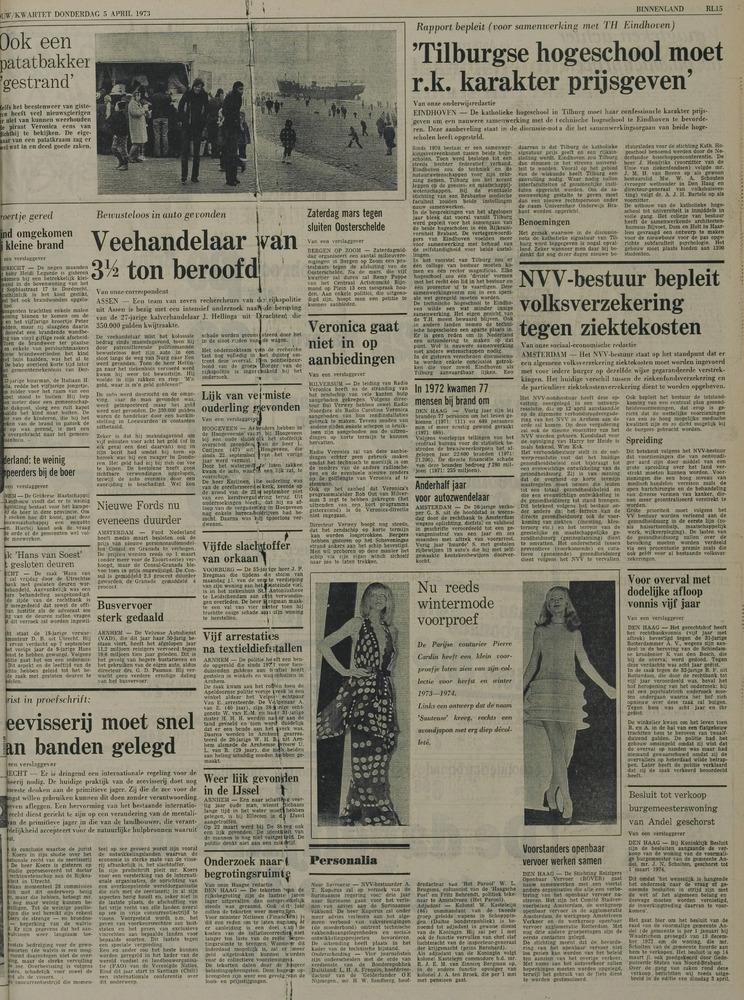
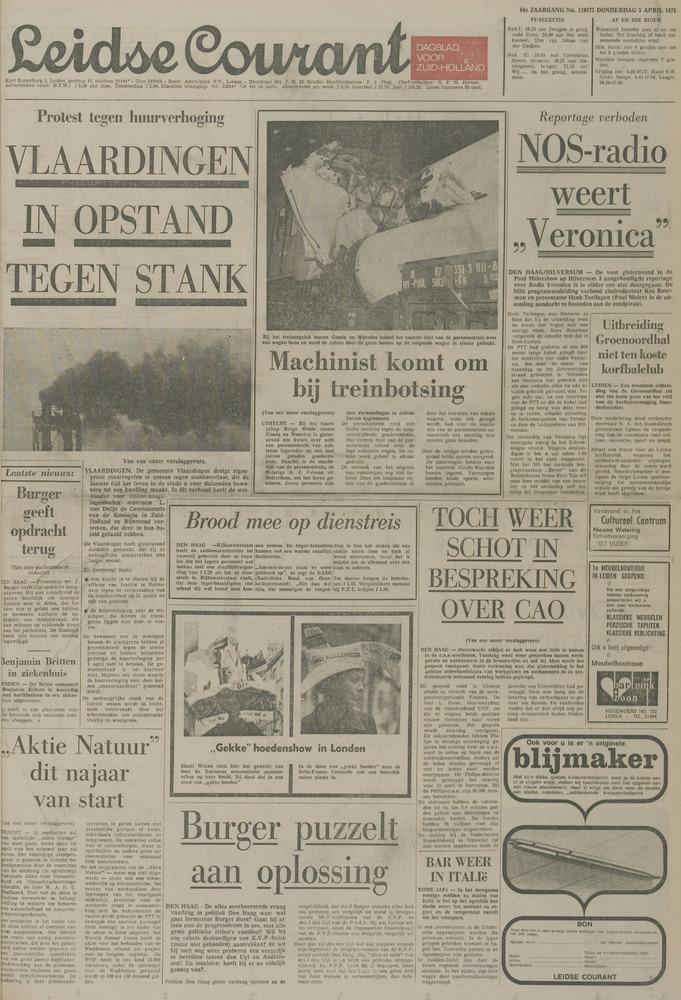
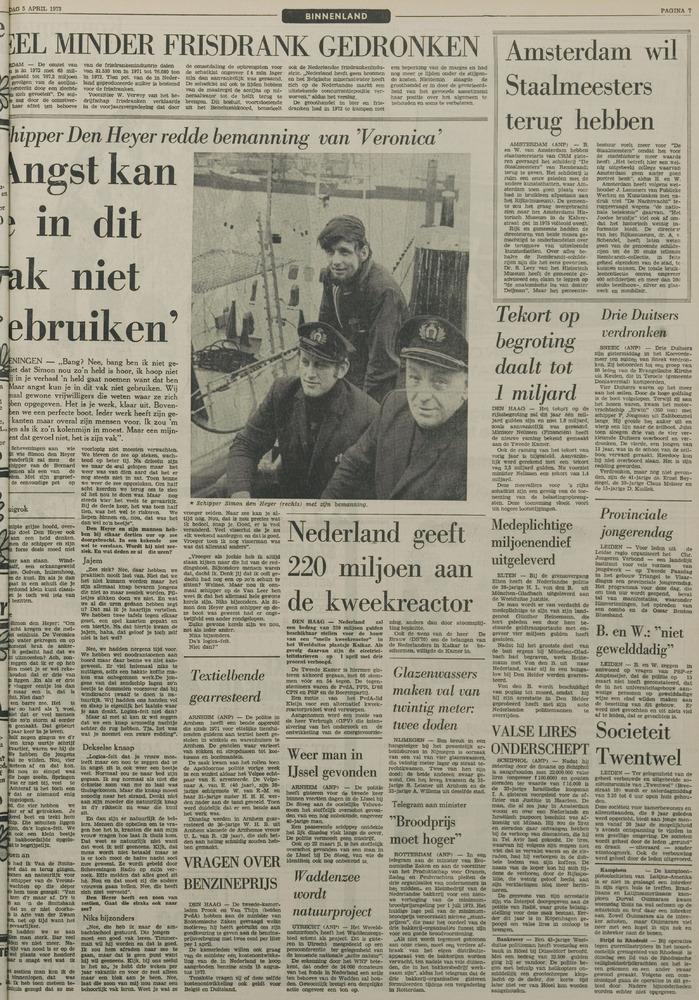
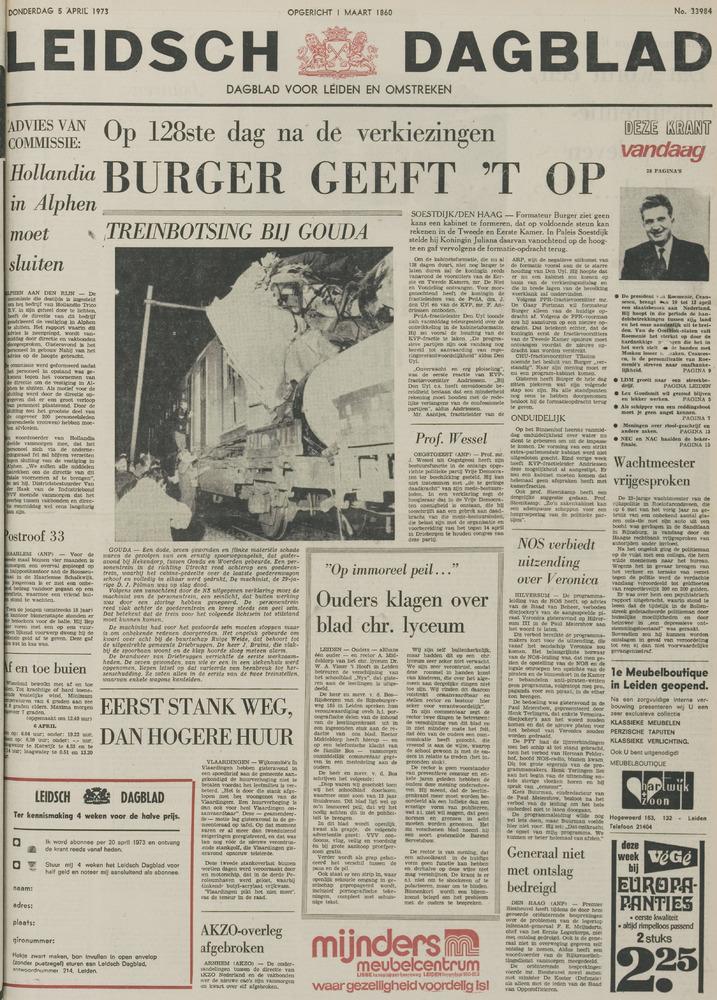
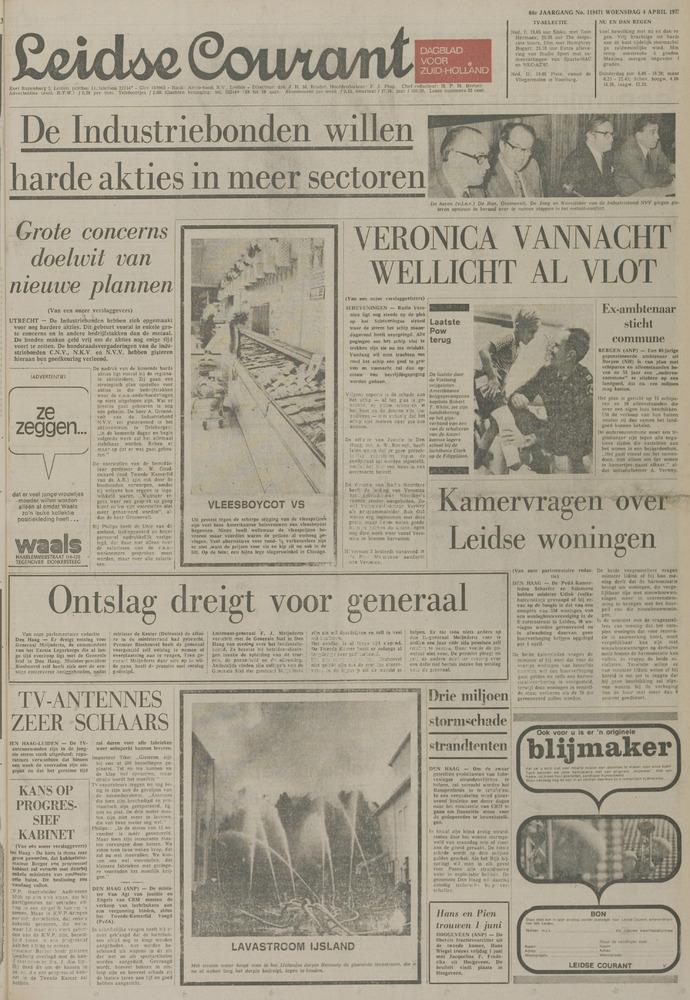
 8 puntenEen week later, op 21 mei, was 1969 aan de beurt. AVRO Steenen Tijdperk 210500 1400-1600 Jeffrey Willems - 19698 puntenMonique-19850427-1800-1900-AdRoberts-Radioavondblad https://pixeldrain.com/u/fMFGvDni Monique-19850428-1800-1900-StanHaag-Jukebox https://pixeldrain.com/u/AaYHHP8A Monique-19850518-1200-1500-AdRoberts-MoniqueTop50-Eerste https://pixeldrain.com/u/YwEs4PaZ Monique-19850519-1000-1200-PiereKartner-VaderAbrahamShow-Eerste https://pixeldrain.com/u/KBPwvNRF Monique-19850526-1300-1400-PatriciaPaay-NederlandseAmusementsmuziek https://pixeldrain.com/u/PN3znJ3x6 puntenDit is van de satelliet opgenomen met de Dreambox dus hoort technisch gezien denk ik onder het Verenigd Koninkrijk. BIGL 1395 24-07-2006 07:25-09:00 Charlie Wolff 09:00-11:05 Mike Read5 puntenMonique-19850602-1200-1300-DeAal-4xB https://pixeldrain.com/u/4TwJLEWi Monique-19850602-1300-1400-ArneJansen-NederlandsAmusemenstmuziek https://pixeldrain.com/u/zJcabrvK Monique-19850608-1000-1200-EddyOuwens-Eerste https://pixeldrain.com/u/FegTNRTF Monique-19850609-1300-1400-GeorgeBaker-NederlandsArtiestenamusement https://pixeldrain.com/u/hHQ4Rnpb Monique-19850610-1000-1200-JoostDenDraaijer-EersteDoorDeWeeks https://pixeldrain.com/u/svK1vnHN Monique-19850610-1200-1400-TonyBerk-BerkInUitvoering https://pixeldrain.com/u/zXNE7KXg Monique-19850616-1200-1300-HansVanVondel(TheShorts)-NederlandseAmusementsmuziek https://pixeldrain.com/u/wX1BmTsW5 puntenDit komt van een cassette van Mike Grant. Alleen Tony Prince is niet (fysiek) bij het feest. Radio Luxembourg 31-12-1976 22:48 - 01-01-1977 00:18 All DJs Party4 puntenVan de Golden Radio NL server, met dank aan Patrick Radio Atlantis - Jo de Graaf 6 april 1983 (8-9 uur) https://pixeldrain.com/u/AYDMMjgK Radio Atlantis Lara 12 juli 1982 18.00-1900 https://pixeldrain.com/u/69SLQHiC4 puntenBeste Roel, This is start of Oud en nieuw presented by Luc Dardin (according to Freewave No.145) Mvg, John C4 puntenDit zijn de programma's, die je kunt vinden via de link eronder: Radio 192 21-10-2001 10:00-11:00 - Flashback Tom Collins Show met Bart van Leeuwen 03-07-1973 00:00-01:00 Radio 192 21-10-2001 11:00-12:00 - Flashback Sliep uit met Gerard de Vries en Tineke 08-04-1970 10:00-11:00 Radio 192, Flashbacks van 21 Oktober 2001 Met betrekking tot deze twee Flashback programma's voeg ik de volgende informatie toe (met dank aan Juul Geleick): Radio 192 zond in het programma Flashback (in samenwerking met de stichting Norderney) iedere week twee historische radio programma's uit van de zeezender Radio Veronica. Oud Radio Veronica technicus Juul Geleick deed de redactie, bewerking en montage van dit programma.4 punten3 puntenUit Leidsch Dagblad, Leidse Courant en Nieuwe Leidse Courant van 5 april 1973: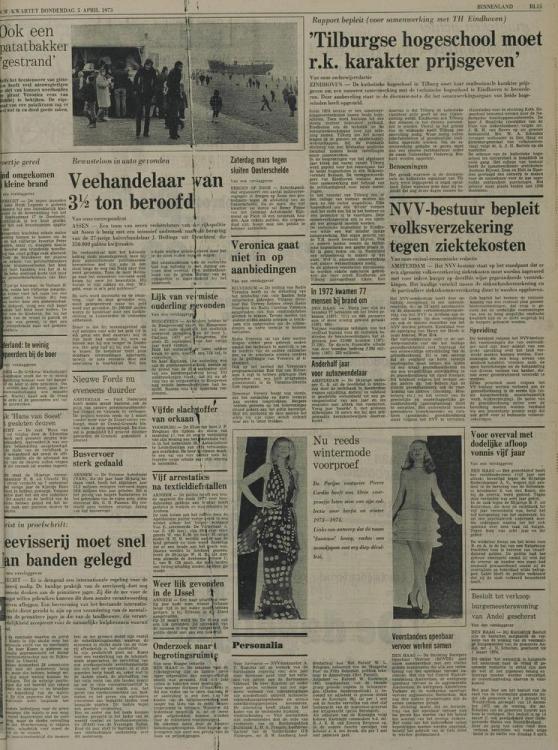
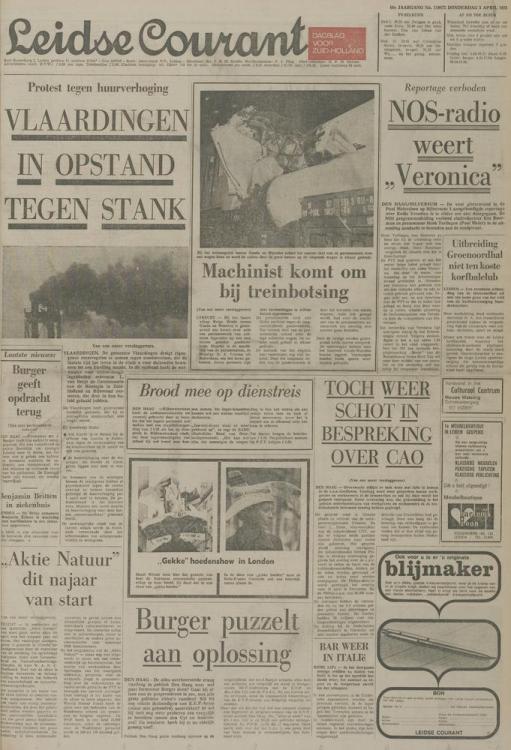
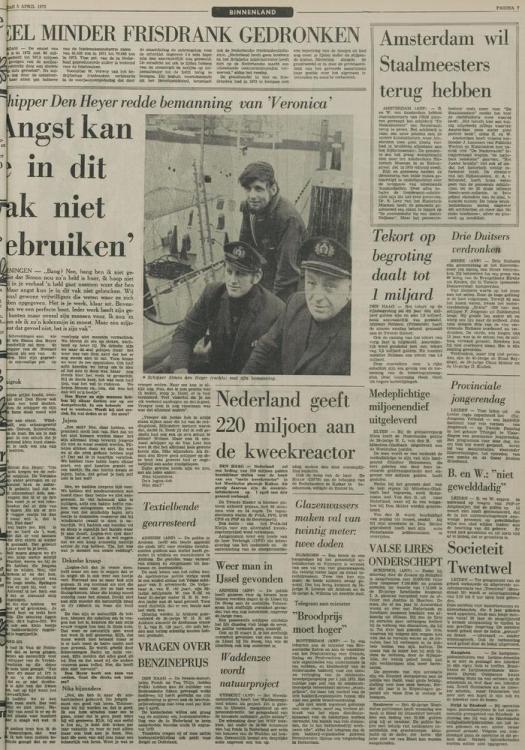
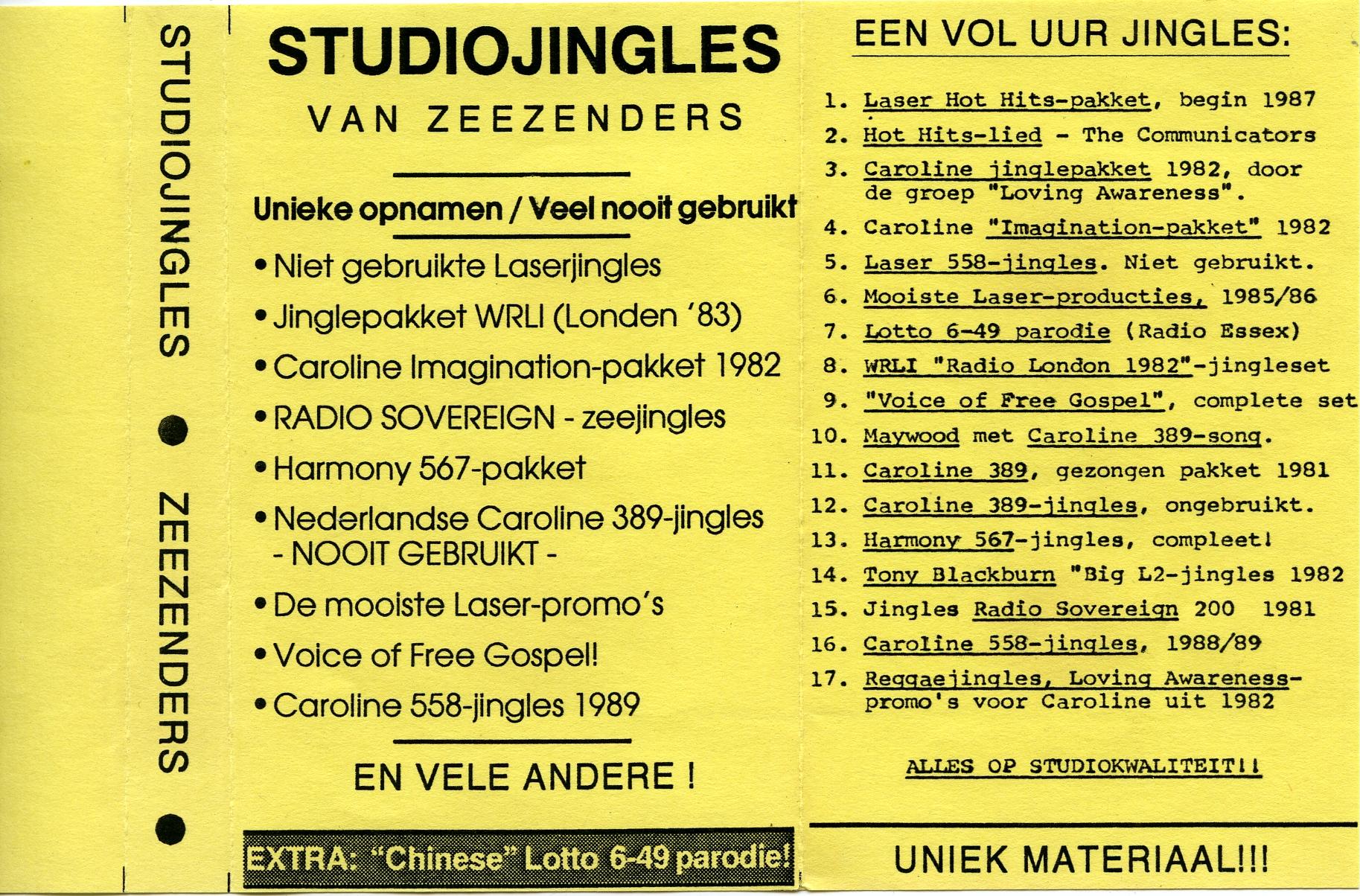
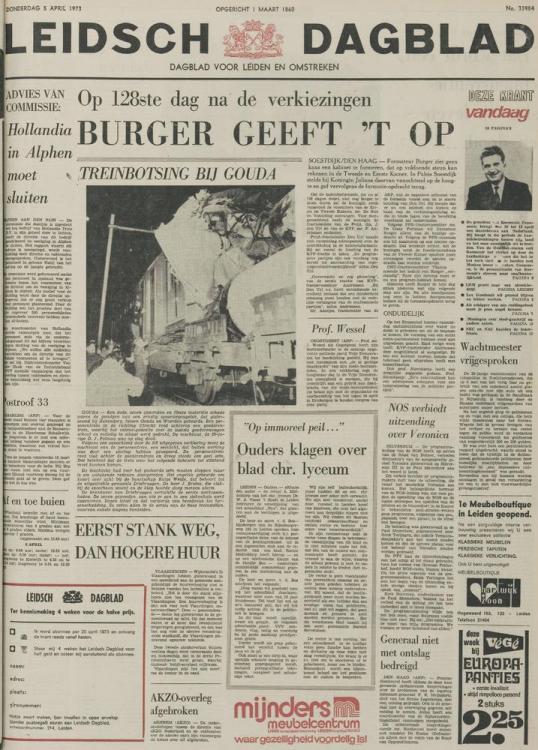 3 puntenWaaw een hele dag bijna - altijd fijn om weer lekker lang naar te luisteren Dank je wel Groetje, Martin3 puntendat is een moeilijke, als ik het begrijp is de zendvergunning in NL voor de 1395 in oktober 2013 ingetrokken terwijl Bigl1395 voor het laatst te horen was op 1395 in 2011. Op wikipedia vind je: "Radio London was een Nederlands commercieel radiostation met Engelstalige op Groot-Brittannië gerichte programma's, dat uitzond van 19 september 2006 tot 1 augustus 2008 en daarna nog enige tijd vanaf 3 december 2009. Het radiostation gebruikte dezelfde naam als de voormalige zeezender Radio London (1964–1967) maar had geen enkele band daarmee. Uit juridische overwegingen werd de naam Big L gebruikt door dit radiostation." en op wikipedia vind je dan ook nog: "Big L was the name of a short-lived broadcasting company registered by the British licensing authority Ofcom from 11 June 2002 to 10 June 2003 for a satellite radio service known as Big L" Wie BiglL 1395 tegenwoordig runt (op het internet) is mij ook niet echt duidelijk.3 punten3 punten3 puntenVermoedelijk zijn de meeste files al eens geplaatst. Hier alles van Atlantis Rotterdam van mijn ??HDD. Jammer dat bij veel afleveringen de tijden onbekend zijn, dus mocht iemand de tijden hebben........... Alvast bedankt, veel luisterplezier... https://pixeldrain.com/u/ZAQWRExw Atlantis Rotterdam-19810609 - 1600-1700 - Robert Tillman.mp3 https://pixeldrain.com/u/peHq7Dij Atlantis Rotterdam-19810609 - 1700-1800 - Ruud van Velzen.mp3 https://pixeldrain.com/u/hPsUdjrb Atlantis Rotterdam-19810609 - 1800-1900 - Peter Vos.mp3 https://pixeldrain.com/u/d49X62jZ Atlantis Rotterdam-19811225 - 1200-1247 - Frank van der Mast - (laatste).mp3 https://pixeldrain.com/u/55qMa1XM Atlantis Rotterdam-19820212 - Will luikinga 1.mp3 https://pixeldrain.com/u/5ezhLnzz Atlantis Rotterdam-19820613 - Koffie met Paul - na 19e inval.mp3 https://pixeldrain.com/u/DQ2F2xEX Atlantis Rotterdam-19820614 - Lara Draait op verzoek.mp3 https://pixeldrain.com/u/yuhvuiMD Atlantis Rotterdam-19821201 - Stan Haag Jukebox nr. 3.mp3 https://pixeldrain.com/u/C84JoJFb Atlantis Rotterdam-19821202 - Stan Haag Jukebox nr. 4.mp3 https://pixeldrain.com/u/ANPZp4q5 Atlantis Rotterdam-19821216 - Nonstop 1A John McBright.mp3 https://pixeldrain.com/u/jMqjkTwG Atlantis Rotterdam-19830324 - Michel de Ruiter.mp3 https://pixeldrain.com/u/dpH8v8tU Atlantis Rotterdam-19830400 - Postbus 59.mp3 https://pixeldrain.com/u/a5rHsk4C Atlantis Rotterdam-19830422 - 0700-0800 - Peter Labij.mp3 https://pixeldrain.com/u/WGWuxq2U Atlantis Rotterdam-19830422 - Koffie met Paul - Fibrose stichting.mp3 https://pixeldrain.com/u/GKB77giA Atlantis Rotterdam-19830429 - 0800-0900 - Jo de graaf Vrijdag.mp3 https://pixeldrain.com/u/bcRDUSpA Atlantis Rotterdam-19830429 - 0805-0857 - Jo de Graaf.mp3 https://pixeldrain.com/u/RC3cokk3 Atlantis Rotterdam-19830515 - Frans Nienhuys - Men vraagt en wij draaien.mp3 https://pixeldrain.com/u/o5fje4UT Atlantis Rotterdam-19830926 - 0500-0600 - Robert Tillmann 1e (Belgie).mp3 https://pixeldrain.com/u/muTiGkfb Atlantis Rotterdam-19830926 - 1200-1300 - Robert Tillmann 1e (Belgie).mp3 https://pixeldrain.com/u/FyHPRV87 Atlantis Rotterdam-19850613 - Nonstop 1a Erik-Paul.mp3 https://pixeldrain.com/u/THxGKFQ7 Atlantis Rotterdam-19890109 - 1000-1100 - Koffie met Paul van Delft 1e Stadsradio.mp3 https://pixeldrain.com/u/Z7wmi8T7 Atlantis Rotterdam-19890415 - 1500-1600 - Peter Gelderblom (stadsradio).mp3 https://pixeldrain.com/u/ZDVuR4R6 Atlantis Rotterdam-19890600 - Nonstop 1 A Nacht band Frans.mp3 https://pixeldrain.com/u/Fb3owzsb Atlantis Rotterdam-19890600 - Nonstop 2 B Nacht band Frans.mp3 https://pixeldrain.com/u/XAS2M9y3 Atlantis Rotterdam-19890600 - Nonstop 3 C Nacht band Frans.mp3 https://pixeldrain.com/u/wmESbPQE Atlantis Rotterdam-20071021 - 1501-1658 Uur - Oude Tape Michil De Ruiter + Charles De Graaf.mp3 https://pixeldrain.com/u/pZasjdKC Atlantis Rotterdam-20071021 - 1659-1800 Uur - Oude Tape Robert Tillmann Op Vrijdag.mp3 https://pixeldrain.com/u/bM2HtSsG Radio antwerp-atlantis Nonstop 26 mei.mp33 punten3 punten3 puntenBijna 49 jaar geleden..................... Er is in het verleden nogal wat onzin geschreven. "We zouden de Norderney langer op het stand hebben gehouden", kwam beter uit ivm de hearing op 18 april bewwerde men. Dat was nou eens "fakenieuws" ! hi Hier een interview dat mede forum lid Piet van der Vooren had met de bergingsinspecteur Hans Walenkamp van Smit die als 35 jarige de leiding had over het bergen. Hans Walenkamp is vorig jaar overleden. ©Piet van der Vooren. https://pixeldrain.com/u/ikAnf8Z53 punten2 puntenDit is alles van Atlantis van de ??HDD. Veel luisterplezier. https://pixeldrain.com/u/2vmzn5cX Atlantis-19740504 - 1851-1910 - DaveRodgers.mp3 https://pixeldrain.com/u/xZHJ9suR Atlantis-19740424 - 1900-2013 - AndyAnderson (63min) Reboundhour.mp3 https://pixeldrain.com/u/L9fwNjAM Atlantis-19740203 - Steve England Test On 201 m -Grap Over MOB.mp3 https://pixeldrain.com/u/3mifrtR1 Atlantis-19740825 - 1500-1700 229 All DJs - Tour Of the MV Janine Live edit.mp3 https://pixeldrain.com/u/u8KBuFce Atlantis-19740825 - 1500-1600 229 All DJs - Tour Of the MV Janine Live.mp3 https://pixeldrain.com/u/63JasySr Atlantis-19740825 - 1600-1700 229 All DJs - Tour Of the MV Janine Live.mp3 https://pixeldrain.com/u/EA3EhaDZ Atlantis19740831 - 1800-1910 Laatste uur.mp3 https://pixeldrain.com/u/8wo4n6Rx Atlantis-19740831 - The Final Hour.mp3 https://pixeldrain.com/u/zQ9wXkjj Atlantis-19740831-1900-2000 Close down.mp3 https://pixeldrain.com/u/JzSw46XH Atlantis-19xx0309 - Steve England and Dave Owen.mp3 https://pixeldrain.com/u/6yNQ9Zzh Atlantis-19740417 - Steve England.mp3 https://pixeldrain.com/u/XgYnNpuo Atlantis jingles van AJ Beirens 1974 15 min.mp32 punten2 puntenAmerican Top 40s (Casey Kasem). Verschillende datums. https://pixeldrain.com/u/SR1ihVgA American Top 40 1974-01-05 .mp3 https://pixeldrain.com/u/PwhnoeJW American Top 40 1973-01-06.mp3 https://pixeldrain.com/u/GiG68in7 American Top 40 1983-12-17 .mp3 https://pixeldrain.com/u/VJEG4meM American Top 40 1982-12-04 .mp3 https://pixeldrain.com/u/tbmkLFi7 American Top 40 1980-11-22.mp3 https://pixeldrain.com/u/FAEzAQij American Top 40 1981-11-28 .mp3 https://pixeldrain.com/u/DnAkH7Ne American Top 40 1975-01-18 .mp32 punten2 puntenDeze cassette komt ook van Alex uit Alkmaar en is opgenomen door Jelle Boonstra. Jelle zegt in het begin dat er maar 25 van deze cassettes zijn gemaakt en dit is nummer 6. Primetime - Zeezenderjingles Ik plaats dit met toestemming van Jelle.
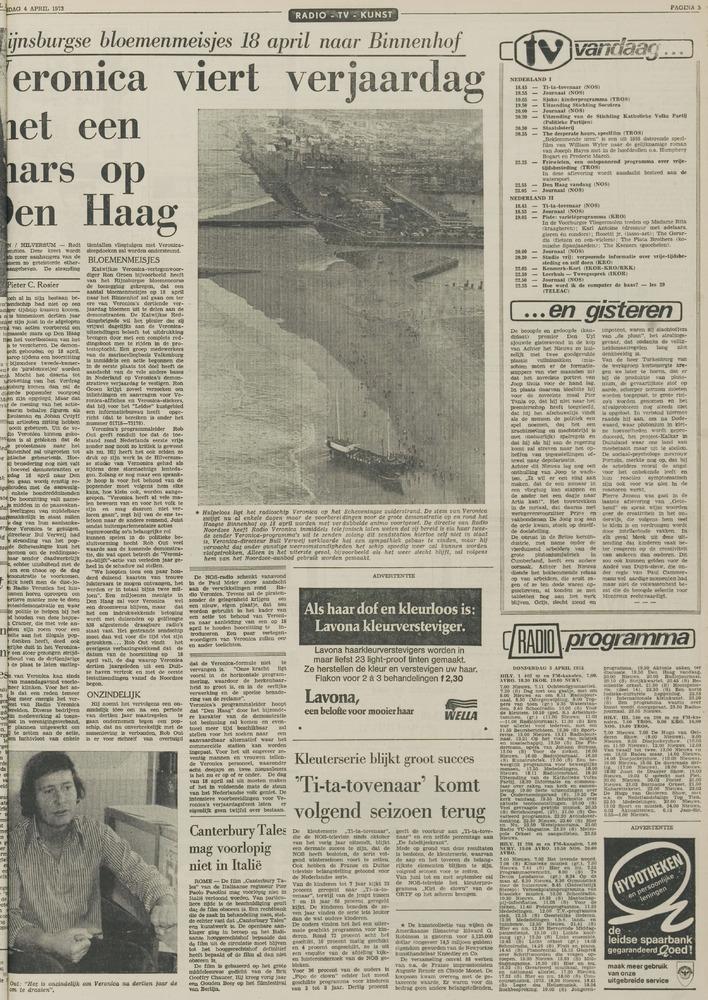
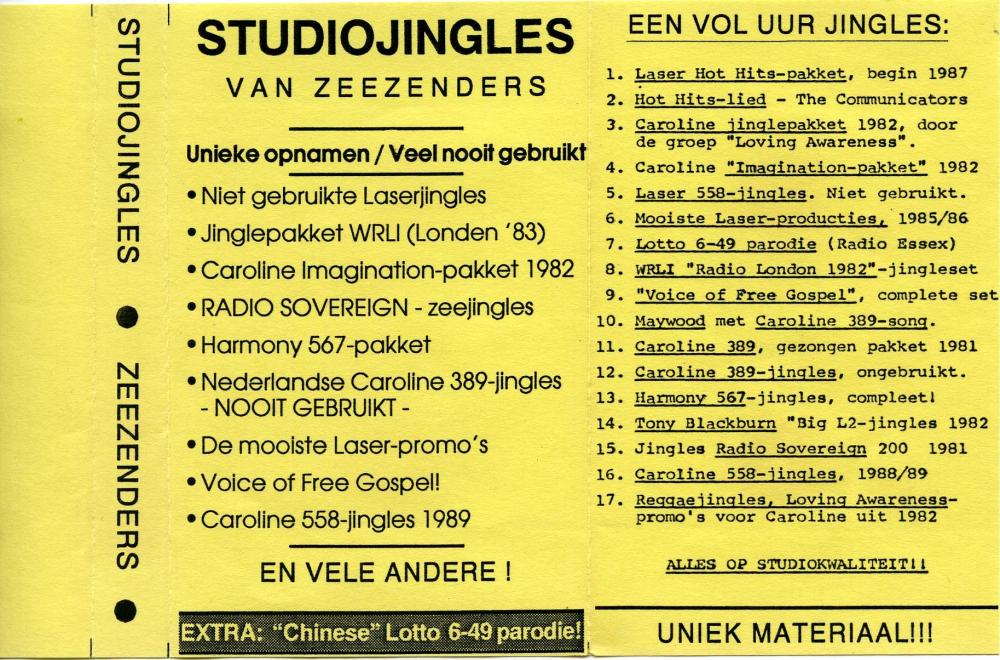 2 punten2 puntenWeet je ik was toen 14 jaar, de hormonen begonnen net door mijn lijf te gieren 🙃 En ik luisterde toen naar RNI, Veronica was te veel vader Abraham en ander glad Nederlands werk. RNI had meer, laat ik het zo zeggen, meer internationale hit songs. Caroline kon me ook wel trekken maar die kwamen zo slecht door toen in Emmen. En de storm heeft veel indruk toen op mijn gemaakt, ik zag hoe masten om gingen en bomen. Theo2 punten2 puntenAll Europe Radio Laser 558: ze gaven ook steeds de tijd aan in de UK en op het continent. Af en toe waren er ook jingles in het Nederlands. Eric Hofman was in onderhandeling met de Amerikanen om de tweede zender aan boord van de Communicator te gebruiken voor Nederlandstalige uitzendingen, maar de Amerikanen wouden hun reservezender niet verhuren. Eric Hofman is ook bekend van o.a. radio Contact, Maeva, VTM, Maeva via radio7, MaevaFM, Maeva DRM, Maeva revival op het internet, Mi Amigo45, Mi Amigo International en MiAmigoradio.es2 puntenJohn, You are right. Paul Witte called his programma Is er nog koffie? Gerrad2 puntenBeste Thijs, According to Freewave No.145 the programme 0500-0630 was called Is er nog koffie. Mvg, John C2 punten2 punten2 punten2 puntenNieuwe Leidse Courant, Leidse Courant en Leidsch Dagblad van 4 april 1973: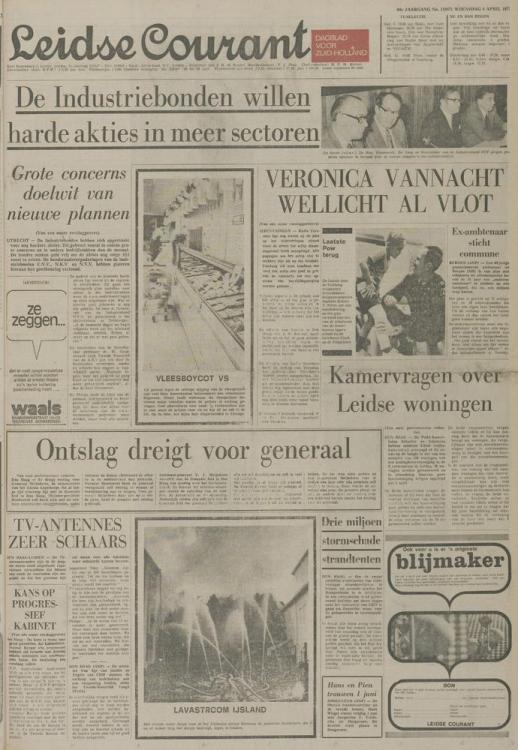
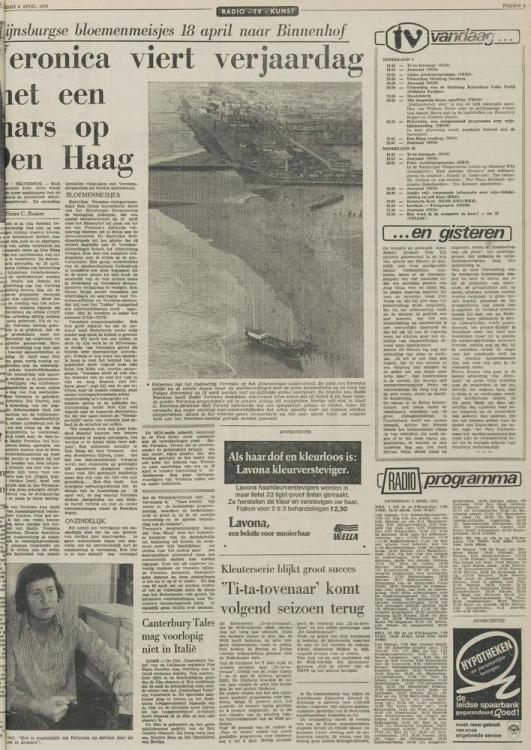
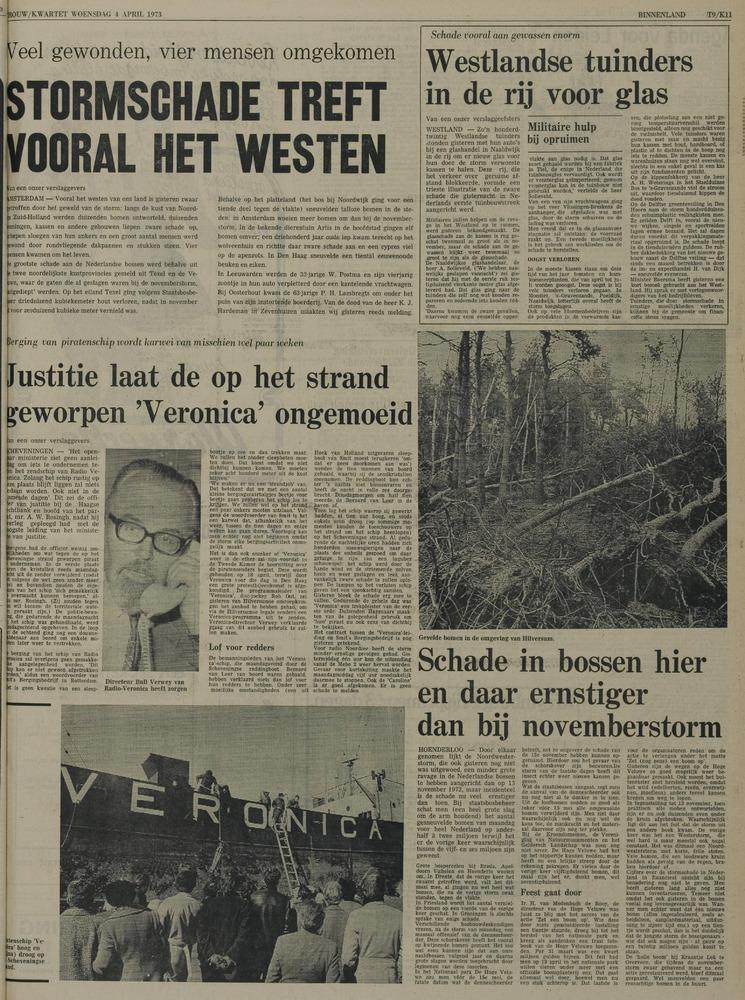
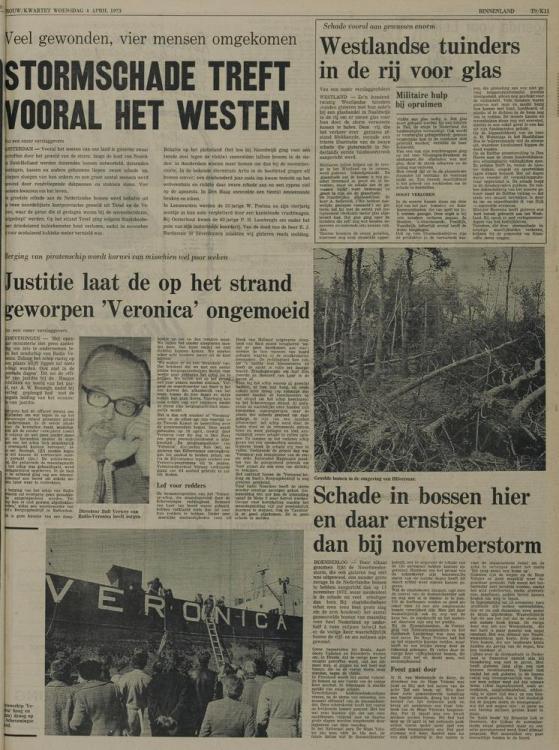 2 punten2 puntenCaroline-19791108-1200-1400-WillLuikinga-PeterDeVries-WillWilWel-19tigShow https://pixeldrain.com/u/M56QcHft2 puntenVincent had de aflevering over 1967 van 7 Mei al gepost dus gaan we door naar 1968 op 14 Mei. AVRO Steenen Tijdperk 14-05-2000 14:00-16:00 Jeffrey Willems - 19682 puntenDeze opname komt van Alex uit Alkmaar op cassette. Dag, maand en tijd heb ik op de opname gehaald, jaar heb ik niet horen noemen. Deze opname is aan boord gemaakt (meeloopband). Radio Monique 08-12-1985 06:05-08:12 Ad Roberts Internationaal Brieven Programma gevolgd door Johan Maasbach2 puntenGister eentje vergeten: Caroline-19870402-1215-1345-PeterPhilips-MarkWarner2 punten2 puntenEen bijna vergeten parel in de zomer van 1967.....Swinging Reediooo Toetoeseffen. Radio 227 was kortstondig in de zomer van 67 de feitelijke opvolger van het legendarische Radio England dat helaas flopte. In de herfst van 66 werd England opgevolgd door easy listening Radio Dolfijn. Terug kijken en het beter weten is natuurlijk altijd verkeerd maar als ze na de sluiting van England direct een doorstart hadden gemaakt met hetzelfde format , dan in NL onder de naam 227, was de kans van slagen groot geweest. Maar ja , het liep anders en gedurende de 67 zomermaanden konden we toch genieten van 227, het klonk als een klok. Aanboord van de Laissez Faire/Olga Patricia lag nog dat schitterende England jingle pakket van PAMS of Dallas Texas. Serie 27 de jet set serie. Dave Mc Kay van het Engelse zusterstation Radio 355 < en dat klonk ook als een klok> ging ermee aan de slag , monteerde England uit en 227 in. Dat resulteerde in een schitterende vormgeving < in 67 was dat woord denk ik nog niet in gebruik> . Dat, met de 3 uur durende deejay shows, maakte dat 227 een straatlengte op Veronica voor lag als Top 40 station. Eerlijk is eerlijk, Veronica was meer familie station dan top 40 format station. Klinkende namen schitterden op 227, Lex Harding, Tom Collins, Look Boden en Harkie Harold van Gelder. Het duurde slechts circa 3 maanden maar de herinnering is er met deze uitstekende opname met Look Boden. https://drive.google.com/file/d/1R8TkPbAx64iSuNrzM40xpNsARPOFVI2E/view?usp=sharing2 punten2 puntenHierbij het laatste jaar. Helaas het jaar dat er een breuk ontstond tussen Malcolm en de BBC en ook het jaar dat hij overleed. BBC Radio 2 - Malcolm Laycock - januari 2009 https://pixeldrain.com/l/hpxNDmpt BBC Radio 2 - Malcolm Laycock - februari 2009 https://pixeldrain.com/l/jdLGDysY BBC Radio 2 - Malcolm Laycock - maart 2009 https://pixeldrain.com/l/bwBS72Wu BBC Radio 2 - Malcolm Laycock - april 2009 https://pixeldrain.com/l/ebUkSc7v BBC Radio 2 - Malcolm Laycock - mei 2009 https://pixeldrain.com/l/dXAcjim4 BBC Radio 2 - Malcolm Laycock - juni 2009 https://pixeldrain.com/l/xvkE7Sjb BBC Radio 2 - Malcolm Laycock - juli 2009 https://pixeldrain.com/l/NLFBm3ok Bron Today's Times: One of radio’s most popular and accomplished broadcasters, Malcolm Laycock was best known for presenting Sunday Night at 10, a celebration of the dance band music of the 1930s and 1940s on Radio 2, before leaving the BBC in acrimonious circumstances earlier this year. His departure after 14 years with the show was sudden and unexpected and caught even his Radio 2 superiors unawares. As far as they knew he as going on holiday for four weeks and would return. But at the end of July he announced on air that the current programme would be his last. His decision was the culmination of a long dispute with Radio 2 over the content of the show, as well as his complaint that as producer and compiler as well as presenter he deserved to be better paid. His disenchantment began with the dropping last year of the section of the show devoted to British dance bands. Laycock was dismayed and many listeners complained to the BBC. After stepping down, Laycock rounded bitterly on Radio 2, accusing it of turning its back on older listeners and replacing light music and jazz with “hour after hour” of white rock music. “It is not existing to serve the public any more. It’s existing to grow bigger and bigger and for managers to earn more and more.” He also claimed that he had been constructively dismissed. “They were paying me just over £24,000 for 52 programmes, 52 hours of radio. It is the same average pay for a student leaving college.” He asked for an extra £14,000 to cover his work as producer but the BBC refused. The show has continued in its Sunday night slot, presented by the jazz singer Clare Teal. Broadcasting represented a significant career change for Laycock, who was born in Keighley, West Yorkshire, where his parents ran a grocer’s shop. He won a scholarship to Bradford Grammar School and trained as a teacher at Goldsmiths College in London. He taught at several schools in South London, at one of which he set up a radio station for excluded students.He rose to become deputy head of Peckham School but his radio work brought him to the attention of the local BBC station Radio London, and he began broadcasting in the late 1960s. He became a staff producer with Radio London and stayed for 20 years, working on a range of arts and cultural programmes. He later moved to the BBC World Service where for six years he hosted Jazz for the Asking and presented many series of Kings of Swing and The Big Band Singers. In 1990 he left the BBC and helped to establish the London-based commercial radio station Jazz FM, becoming its programme controller. One of his Radio 2 shows, Billie Holiday in Her Own Words, won him a Sony radio award and he also produced documentaries on Glenn Miller, Nat “King” Cole and the bandleader Ted Heath. Laycock began presenting Sunday Night at 10 in 1995 after the death of Alan Dell and built a devoted following of about 350,000 regular listeners through his knowledge and enthusiasm and warm broadcasting style. The first half of the programme featured the leading British dance bands of the inter-war period, such as Ambrose and Lew Stone, and vocalists including Al Bowlly. This was followed by big band music from, typically, Glenn Miller, Benny Goodman and, Laycock’s particular favourite, Count Basie. The format continued until a year ago when Laycock was told that British band music was being dropped and that the emphasis would hitherto be on swing bands from the 1940s to the present day. The show is currently billed as “swing-era hits”. Away from the microphone Laycock was president of the Frank Sinatra Society, edited Jazz Magazine International and compered concerts by the Syd Lawrence Orchestra, Don Lusher’s Ted Heath tribute band and the Laurie Johnson London Big Band. Above all, he connected with ordinary big band enthusiasts, always prepared to help them with their queries, however obscure, and they were vociferous in castigating Radio 2 over what they saw as ham-fisted treatment of their passsion and its champion. Laycock’s wife, Elizabeth, died this year after a long battle with cancer and he is survived by his two sons. Malcolm Laycock, radio presenter and producer, was born on November 1, 1938. He died on November 8, 2009, aged 71
 2 punten2 punten2008, de laatste 6 maanden. BBC Radio 2 - Malcolm Laycock - juli 2008 https://pixeldrain.com/l/pAQJaGk2 BBC Radio 2 - Malcolm Laycock - augustus 2008 https://pixeldrain.com/l/2V7A8MWR BBC Radio 2 - Malcolm Laycock - september 2008 https://pixeldrain.com/l/gXr9ZHxX BBC Radio 2 - Malcolm Laycock - oktober 2008 https://pixeldrain.com/l/F48MGsiA BBC Radio 2 - Malcolm Laycock - november 2008 https://pixeldrain.com/l/sR7NYqZS BBC Radio 2 - Malcolm Laycock - december 2008 https://pixeldrain.com/l/abNDr1Gf2 puntenDe opnamen op deze cassette komen van Mike Grant. Op de A kant een opname van ruim 3 kwartier van Barry Alldis van 4 of 11 Maart 1978 (tijd gegokt, niet gehoord) en op de B kant allemaal fragmenten zoals in de titel aangegeven. Radio Luxembourg 4 of 11 maart 1978 23:27-00:14 Barry Alldis Radio Luxembourg Barry Alldis 0378 Mike Read 0478 Cris Carey 1076 Peter Powell 0477 (all scoped)1 punt1 punt1 puntAf en toe was er een Nederlandse jingle te horen, maar ze hebben nooit in het Nederlands uitgezonden.1 puntHartelijk dank, Ben! 😃 Ik hoorde 'm toen-ie herhaald werd in 1988. Deze kan nu van m'n 'verlanglijstje'.1 puntMonique-19850221-1200-1300-TonyBerk-BerkInUitvoering https://pixeldrain.com/u/HP5ezWt6 Monique-19850221-1600-1700-NicoStevens-Elfstedenshow https://pixeldrain.com/u/V7XsgiNi1 punt1 puntRNI 1972.04.02 0206-0300 Paul May (edited, 40 min) RNI 1972.04.02 1815-1905 Hitbackshow - Brian McKenzie1 puntMooie uurtjes Cable1 bednk vincent en andere voor het aanbod tot nu toe ...1 punt1 puntInderdaad. Het zou leuk geweest zijn als dat soort apparaatjes toen al hadden bestaan. Ik heb een aantal van die apparaatjes, waarmee ik op een SD schijfje kan opnemen (TASCAM DR-100) en daarmee kun je dagen en dagen opnemen. Toen ik in 2013 op vakantie was in Florida heb ik meer uren opgenomen van de radio dan de vakantie geduurd heeft 😉1 puntsinds enkele jaren bestaat er een toestel dat je audio kunt opnemen op een stick. Ik heb er zo één je kan er een stick opzetten van 4g en je kunt meer dan 24 u mee opnemen.1 punt1 puntIk heb deze niet voorbij zien komen: RNI-19720206-1000-1036-AJBeirens-NSGDX RNI-19720206-1800-2000-BrianMcKenzie-Hitbackshow1 punt
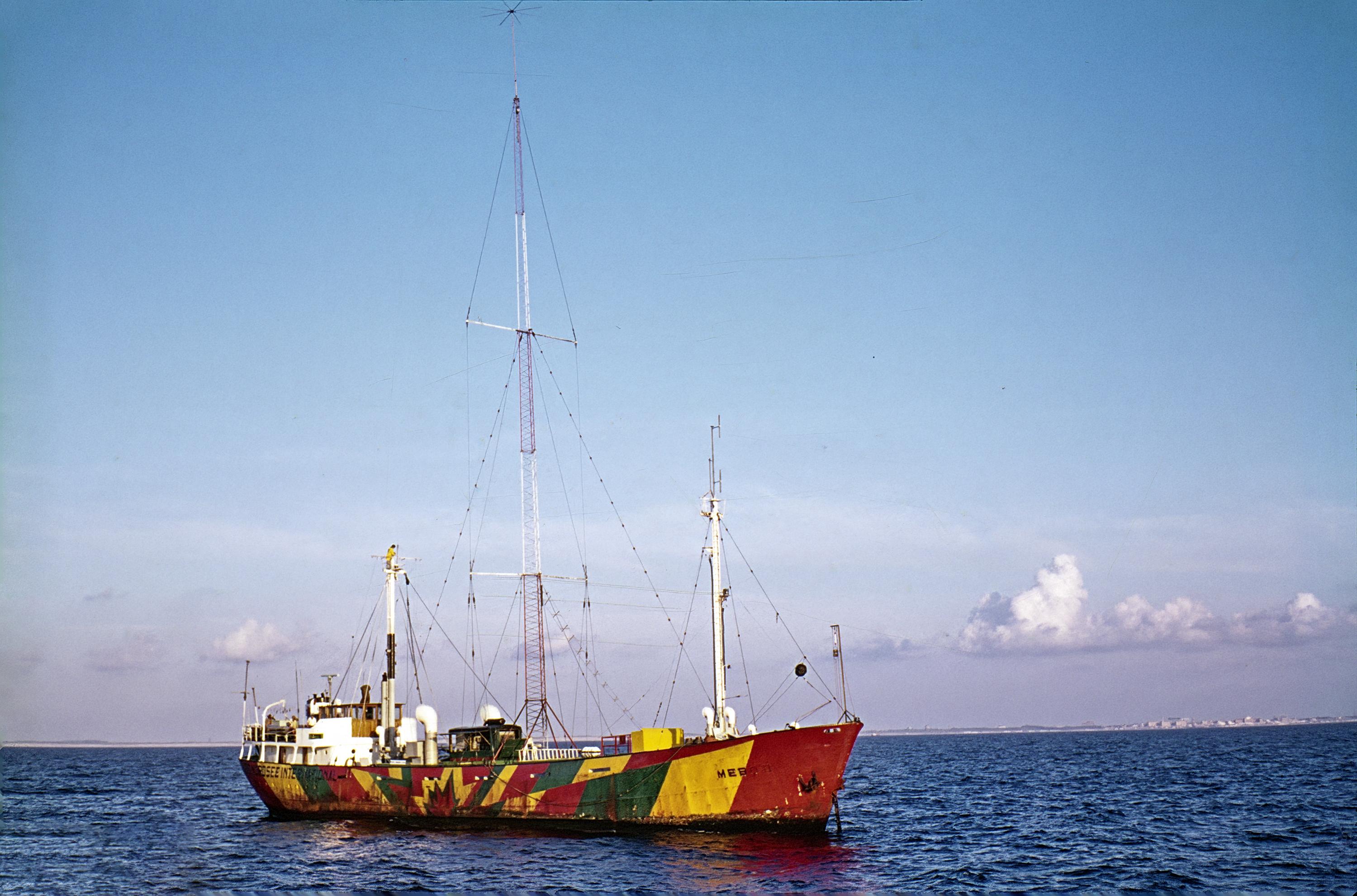
Video: Radio ships Ross Revenge (Radio Monique, Radio Caroline) and Communicator (Laser 558) in 1985
1 puntRadio ships Ross Revenge (Radio Monique, Radio Caroline) and Communicator (Laser 558) in 1985 See Ron West, Ad Roberts, James Day, Peter Philips, Susan Charles, Leendert Vingerling, Mike Barrington, Johnny Lewis, Erin Kelly, Tommy Rivers, Theo Tromp, Serge van Gisteren and others. Publicatie met toestemming van Serge Haderman.1 punt1 puntJe hebt gelijk Geert, dank je wel. Geen idee wat er fout is gegaan, maar ik heb de link in bovenstaand bericht gecorrigeerd.1 puntDit klassement is ingesteld op Amsterdam/GMT+02:00












Belangrijke informatie
Door gebruik te maken van deze website ga je akkoord met Gebruiksvoorwaarden, Privacybeleid en Richtlijnen.
Account
Navigation
Zoeken
Browser pushmeldingen configureren
Chrome (Android)
- Tap the lock icon next to the address bar.
- Tap Permissions → Notifications.
- Adjust your preference.
Chrome (Desktop)
- Click the padlock icon in the address bar.
- Select Site settings.
- Find Notifications and adjust your preference.
Safari (iOS 16.4+)
- Ensure the site is installed via Add to Home Screen.
- Open Settings App → Notifications.
- Find your app name and adjust your preference.
Safari (macOS)
- Go to Safari → Preferences.
- Click the Websites tab.
- Select Notifications in the sidebar.
- Find this website and adjust your preference.
Edge (Android)
- Tap the lock icon next to the address bar.
- Tap Permissions.
- Find Notifications and adjust your preference.
Edge (Desktop)
- Click the padlock icon in the address bar.
- Click Permissions for this site.
- Find Notifications and adjust your preference.
Firefox (Android)
- Go to Settings → Site permissions.
- Tap Notifications.
- Find this site in the list and adjust your preference.
Firefox (Desktop)
- Open Firefox Settings.
- Search for Notifications.
- Find this site in the list and adjust your preference.